
En esta noticia
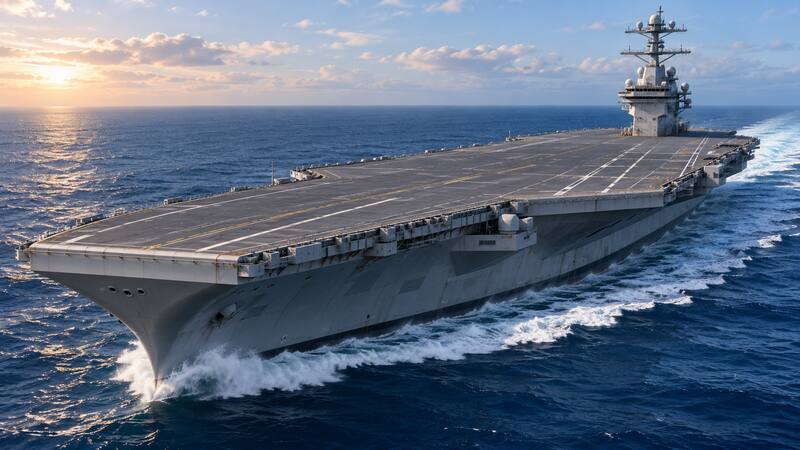
The U.S. Navy expects to receive the John F. Kennedy (CVN 79) in 2027, its second nuclear-powered aircraft carrier of the Gerald R. Ford class. The ship is 1,092 feet long, or about 333 meters, and includes more than 23 new technologies, according to the official John F. Kennedy fact sheet.
On Sept. 29, 2026, the Navy gave the aircraft carrier, built by Newport News Shipbuilding, a division of HII. That stage allows the ship and its crew to carry out tests and train at sea while the shipyard completes final checks of onboard systems.

What technologies does John F. Kennedy include?
The Navy says the CVN 79’s new features include changes to propulsion, electrical generation, ammunition handling, and aircraft launch systems. The improvements cover both the systems that move the ship and supply power to it and the equipment used to operate the aircraft on board.
The John F. Kennedy is the second ship in the Gerald R. Ford class, the first new class of aircraft carriers the U.S. Navy has developed in more than 40 years. According to the official fact sheet, the Navy estimates this class will cut operating and support costs by about $4 billion per ship over its service life, compared with the Nimitz class.
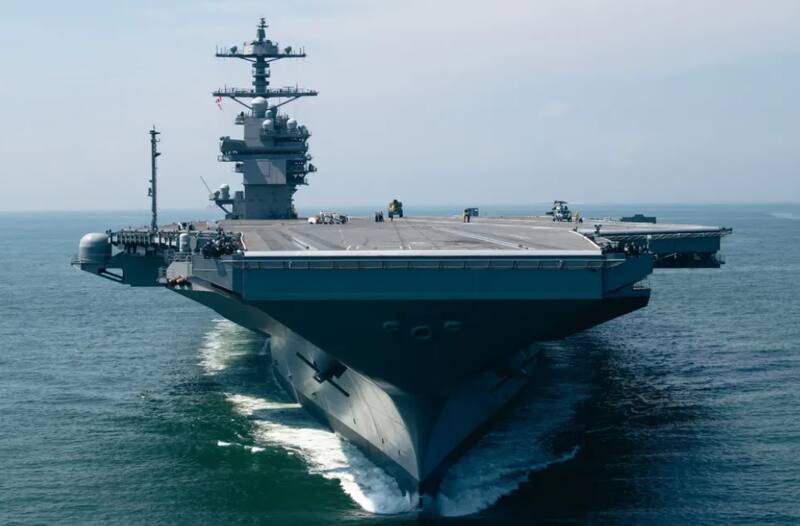
It is also the second aircraft carrier to bear the name of former President John F. Kennedy. Its predecessor, designated CV 67, was decommissioned in 2007.
What tests did the carrier complete, and when will it be delivered
The John F. Kennedy passed its initial shipyard tests in February 2026 and completed acceptance trials on Aug. 15 after four days at sea off the Atlantic coast. During those days, the crew put the ship through its paces before the Navy’s inspection board to show that it met contract specifications and that the personnel were ready to operate at sea.
The Navy put the project at 98% complete in August and at about 99% by the end of September. In that latest report, it said all major systems were complete and that the shipyard was still carrying out final checks, including tests of four weapons elevators.
Formal delivery is scheduled for spring 2027. Until then, preliminary acceptance will allow the crew to keep gaining sea time while the shipyard finishes testing the carrier’s systems.