
En esta noticia
Drivers in the United States who refuse to take a breath alcohol test -known in English as breathalyzer- when stopped on suspicion of driving under the influence of alcohol will continue to face in July the automatic suspension of their driver’s license. The measure applies under implied consent laws, in force in the vast majority of states in the country.
This rule is not a new development this month, but rather a legal framework that has already been in place for years and continues to apply unchanged. Wyoming is the only state that does not provide for license suspension for refusing the test.

What happens if a driver refuses the breath alcohol test?
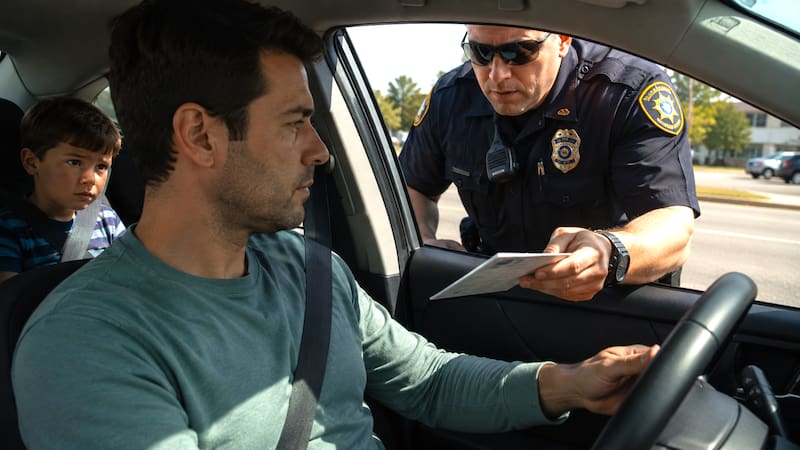
When an officer stops a driver on suspicion of DUI and requests a breath alcohol test, refusing does not prevent the arrest. In fact, the refusal usually leads directly to the driver’s arrest.
In addition, refusal does not guarantee avoiding criminal charges. The officer can testify about the driving, the results of field sobriety tests, and the smell of alcohol, and a jury may interpret the refusal as evidence of guilt.
The most common consequences of refusing the test include:
- Suspension of the driver’s license, even for a first refusal.
- Possible additional criminal charges in some states.
- Up to 48 hours or more of arrest in certain jurisdictions.
- Use of the refusal as evidence in the DUI trial.
How does license suspension affect drivers?
Loss of the license can last up to 12 months, even if it is the driver’s first offense. Those who already have DUI records may receive longer suspensions or jail terms.
That is why some drivers with a history of repeat offenses consider accepting the suspension less serious than adding a third or fourth DUI conviction.

When refusal is not an option
In states with “no-refusal” policies, a judge can authorize a warrant to force the test, even a blood draw. The United States Supreme Court ruled in 2016 that, without a warrant, a state cannot criminalize refusing a blood test, although it can do so with a breath test.
When stopped on suspicion of DUI, drivers are advised to consult a lawyer before deciding how to proceed, since the rules vary depending on the state and local jurisdiction.