
En esta noticia
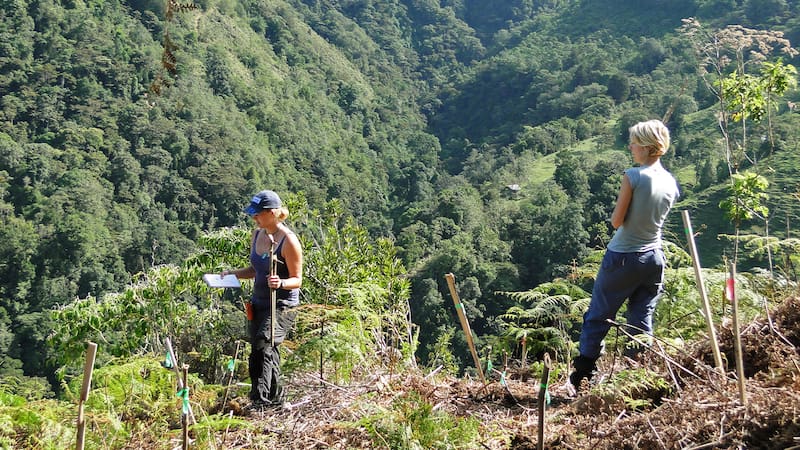
A South African tourist couple bought degraded land next to Chirripó National Park to restore a cloud forest. More than two decades later, the project has helped restore part of the ecosystem and encourage the return of birds, wild cats, and other wildlife species.
In 2002, the South African tourists Genevieve and Ian Giddy bought a former farm next to Chirripó National Park in Costa Rica, with the aim of restoring a forest affected by deforestation.

The initiative, which began after a trip by the couple to the Central American country, gave rise to the Cloudbridge nature reserve
After 24 years of conservation work, the project has accumulated around 50,000 trees grown thanks to collaborating tourists and has helped bring back numerous animal species to a territory that was previously intended for livestock and agriculture.
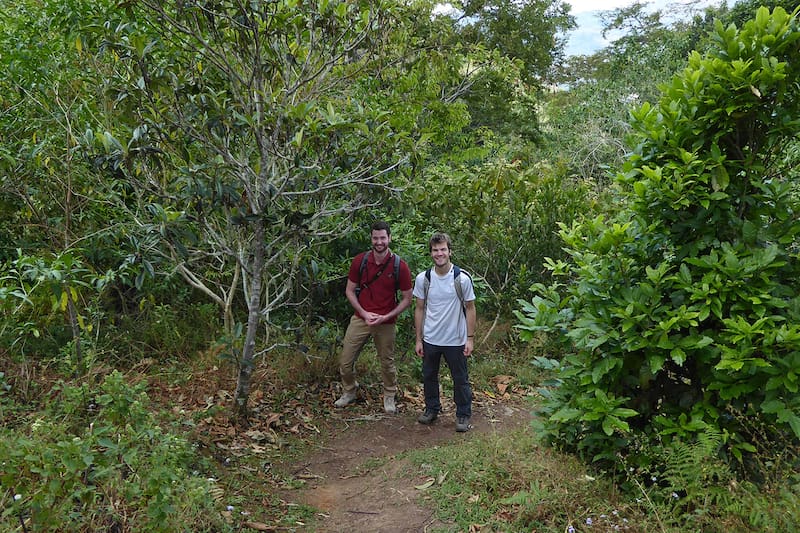
The story began in 2001, when the Giddys traveled to Costa Rica to climb Mount Chirripó, whose summit reaches 3,821 meters above sea level. During the descent, they observed the contrast between the protected forests of the highlands and the deforested land stretching toward rural communities.
The following year they returned to acquire their first property. Over time, they bought six more farms until they had 283 hectares, which they devoted to restoring the transitional cloud forest, an ecosystem located between 1,500 and 2,500 meters above sea level.
However, the first reforestation attempts showed that planting trees was not enough to restore a complex natural environment.
How did they manage to plant 50,000 trees and restore a forest in Costa Rica?
The project’s first years were marked by difficulties. According to Tom Gode, president of the Cloud Forest Conservation Alliance (CFCA), the organization responsible for managing the reserve, nearly 90% of the trees initially planted did not survive.
The problem was partly due to the fact that the specimens bought from commercial nurseries were not adapted to the conditions of the mountain cloud forest. In addition, the characteristics of the soil and exposure to sunlight made it difficult for the new plantings to grow.
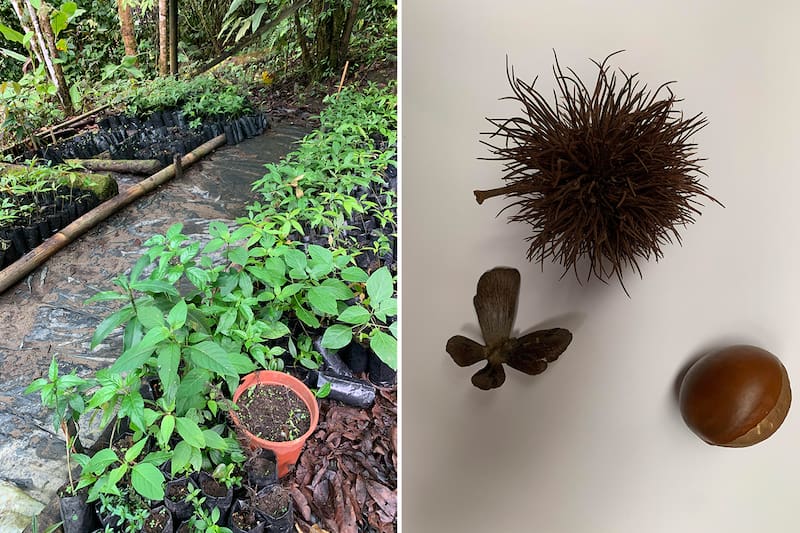
In 2006, the project managers changed their strategy and began collecting seeds directly from natural forests at a similar altitude. They also incorporated techniques to improve soil conditions, such as using cardboard to retain moisture and mycorrhizae, associations between fungi and roots that promote plant development.
The changes made it possible to gradually increase tree survival to 90%. Another of the techniques used was the so-called “island planting,” which consists of placing hardy trees on degraded land to attract birds that carry seeds and promote the appearance of new vegetation.
According to information published by Mongabay, the planting of 50,000 trees resulted in the recovery of much of the reserve’s land. The project also made it possible to restore more favorable environmental conditions for numerous species that had disappeared from the area and returned years later.
What animals returned to the forest of Costa Rica after reforestation?
The recovery of the vegetation was accompanied by the return of wildlife. In the early years of Cloudbridge, the presence of animals was limited due to the degradation of the environment and the disappearance of much of its natural habitat.
However, reserve records published in 2023 revealed that 305 bird species had been identified, a figure approximately 60 times higher than that recorded during the project’s early stages. Among them stands out the resplendent quetzal (Pharomachrus mocinno), one of the characteristic birds of Central America’s cloud forests.
Researchers also confirmed the presence of the six species of wild felines that inhabit Costa Rica: the oncilla, the tigrillo, the yaguarundi, the ocelot, the puma and the jaguar. Some of these animals use the reserve as part of their movements between Chirripó National Park and the lower-altitude lands.
One of the most relevant discoveries was the presence of a female puma that managed to raise her cubs within Cloudbridge. For those in charge of the reserve, this fact constitutes a sign that the recovered forest has sufficient resources to shelter large predators.
Despite the progress, the recovery of the ecosystem still faces challenges. Rising temperatures, reduced humidity, and habitat fragmentation threaten the survival of mountain species.

For that reason, those responsible for the project proposed expanding conservation efforts through agreements with nearby landowners and the creation of natural corridors that allow animals to move around.
The experience of Cloudbridge shows that restoring a degraded forest requires decades of work and adapting reforestation techniques to the natural conditions of each territory.
Although specialists warn that a completely mature forest can take centuries to form, the return of hundreds of species shows the progress achieved since two tourists decided to restore that landscape in Costa Rica.