
En esta noticia
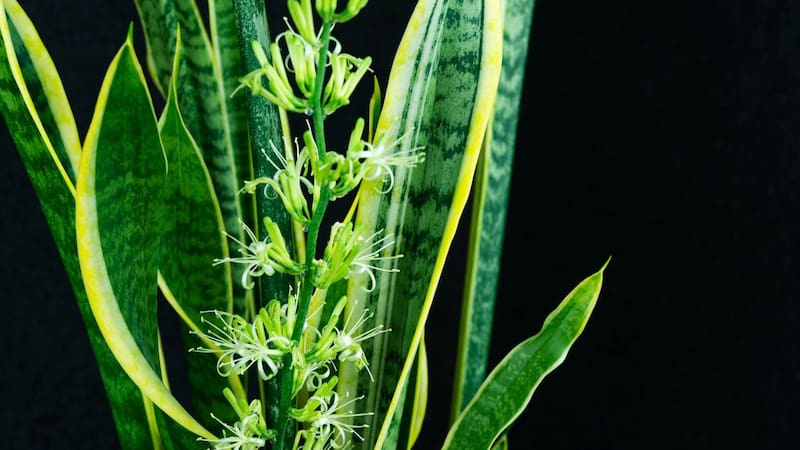
The mother-in-law’s tongue is one of the most resilient and easy-to-maintain houseplants. Its ability to adapt to different environments has made it one of the favorites for decorating homes and offices, although few people know that it can also bloom if it receives the proper care.
With a good balance of light, watering, and potting mix, this plant can produce a bloom that is as striking as it is fragrant, without the need to use chemicals or high-cost fertilizers.

Why does the mother-in-law’s tongue almost never bloom?
Although Sansevieria trifasciata (popularly known as mother-in-law’s tongue) is famous for its hardiness, blooming usually appears only when the plant grows under favorable conditions.
Specialists explain that too much water, lack of light, or frequent repotting can prevent it from concentrating the energy needed to produce flowers.
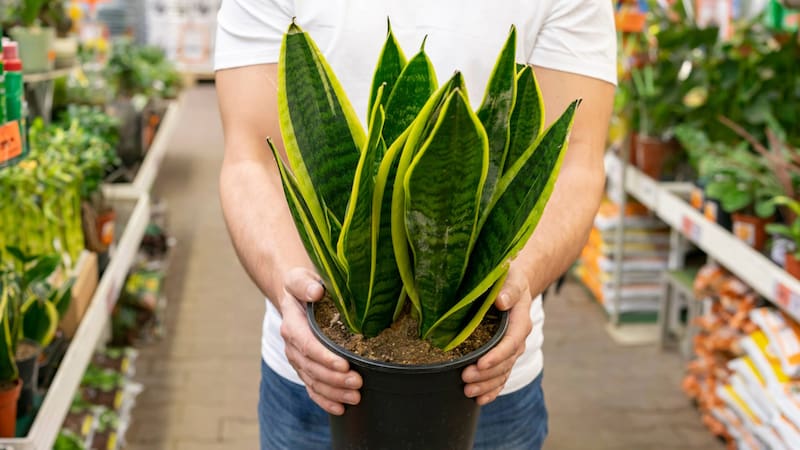
For that reason, many plants remain healthy for years without ever blooming.
The gardeners’ secret for making the mother-in-law’s tongue bloom
Those who have grown this species for years agree that expensive products are not needed to encourage flowers to appear.
The main recommendations are:
- Place the plant in a spot with plenty of indirect natural light.
- Water only when the potting mix is completely dry.
- Use a pot with good drainage to avoid excess moisture.
- Avoid moving it constantly.
- Do not repot it frequently, since the mother-in-law’s tongue blooms better when its roots are slightly snug inside the pot.
Respecting these conditions helps the plant concentrate its resources on flowering instead of using them only for leaf growth.
Mistakes that can prevent blooming
Although it is a very resilient plant, some habits can make flower development more difficult.
Among the most common mistakes are:
- Overwatering it.
- Keeping it in very low-light environments.
- Using potting mixes that retain too much moisture.
- Changing its pot too soon.
- Exposing it to extremely low temperatures for long periods.
Avoiding these mistakes increases the chances that the plant will bloom naturally.

How often should the mother-in-law’s tongue be watered?
One of the most important aspects of keeping this species healthy is controlling watering.
Gardeners recommend waiting until the soil is completely dry before adding water again. During the warmer months it may need watering more often, while in winter occasional watering is enough.
This practice helps prevent root rot, one of the main problems affecting the plant.