
En esta noticia
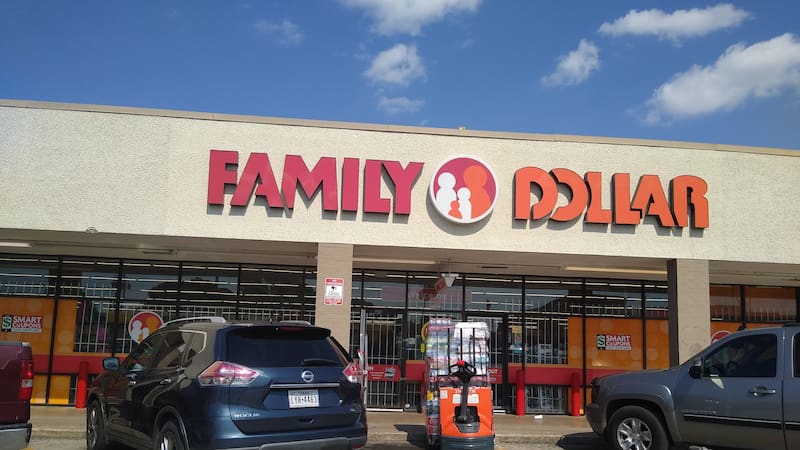
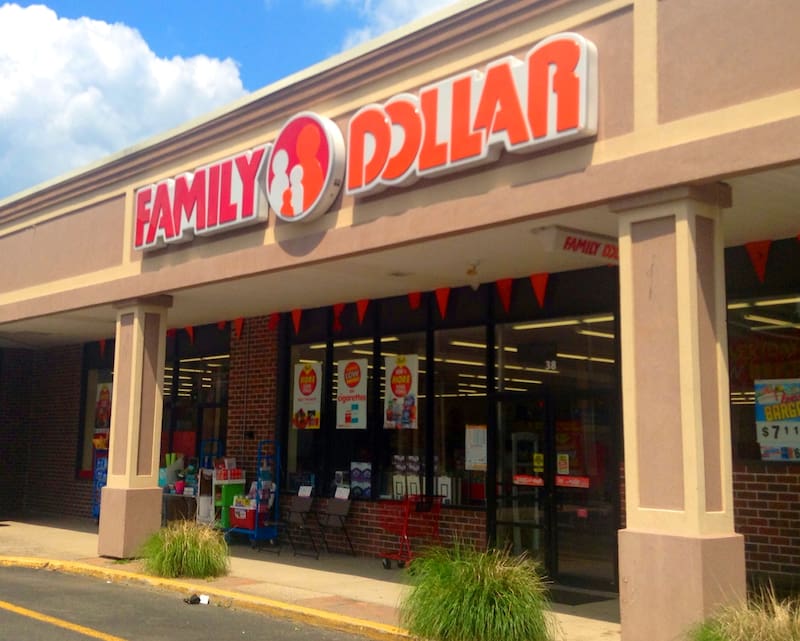
Family Dollar is undergoing one of the biggest transformations in its history. After changing ownership, the discount retailer has accelerated a nationwide restructuring that has already resulted in the closure of more than 350 stores, leaving many communities with fewer places to buy affordable everyday essentials.
For millions of Americans, especially those living in rural towns and lower-income neighborhoods, the changes could mean longer trips for groceries and household products, fewer shopping options, and higher transportation costs.

Family Dollar is shrinking across the United States
The company’s footprint has steadily declined over the past two years. Following nearly 1,000 store closures during 2024, another 350-plus locations permanently shut their doors between July 2025 and May 2026, according to an analysis by Local Falcon.
Those closures have reduced the chain from more than 8,300 stores at the beginning of 2024 to roughly 7,100 locations operating today.
The downsizing began shortly after Dollar Tree sold Family Dollar to private equity firms Brigade Capital Management and Macellum Capital Management in a deal valued at approximately $1 billion. Since then, the retailer has focused on reshaping its business and reducing its physical presence.
Why is Family Dollar closing so many stores?
Several economic factors have contributed to the retailer’s decision.
Company executives previously pointed to persistent inflation, reduced government assistance programs—including lower SNAP benefits—and changing consumer spending habits. Although customer traffic remained relatively stable, shoppers began purchasing fewer items during each visit, affecting overall sales.
As revenue declined, the company determined that many locations were no longer financially sustainable, leading to widespread closures across the country.
Which states have been affected the most?
The impact has not been evenly distributed.
Most of the closures have occurred in the Southern United States, where Family Dollar has traditionally maintained a strong presence.
Among the states with the largest percentage of store losses are:
- Arkansas
- Alabama
- Kentucky
- Tennessee
Together, those four states account for more than one-fifth of all closures recorded nationwide.
In terms of the number of stores lost, Texas has experienced the biggest reduction, followed by Ohio and Georgia.
Meanwhile, some states—including Idaho, Massachusetts, Montana, South Dakota, Utah, and Wyoming—have not seen significant closures so far.


How the closures affect customers
For many communities, particularly smaller towns and rural areas, Family Dollar has long served as one of the few nearby stores offering low-cost groceries, cleaning products, toiletries, and other household necessities.
When one of those stores closes, residents often have to travel farther to reach another discount retailer, increasing both travel time and fuel expenses.
In areas where alternative stores are limited, the loss of a nearby Family Dollar can make routine shopping considerably less convenient.
Thousands of jobs have also disappeared
The restructuring has affected workers as well.
Each permanently closed store typically employs between 15 and 20 people, meaning the latest wave of shutdowns has eliminated thousands of local jobs.
In addition, the closure of a distribution center in North Carolina resulted in hundreds of layoffs, bringing the estimated total number of jobs lost during the restructuring to more than 5,000.
How many Family Dollar stores remain?
Despite the closures, Family Dollar continues to operate more than 7,100 stores across the United States.
The company’s new owners have said they intend to stabilize the remaining locations while experimenting with smaller store formats designed for densely populated urban markets.
Even so, industry observers expect additional closures could take place throughout 2026 and 2027 as the restructuring continues.