
En esta noticia
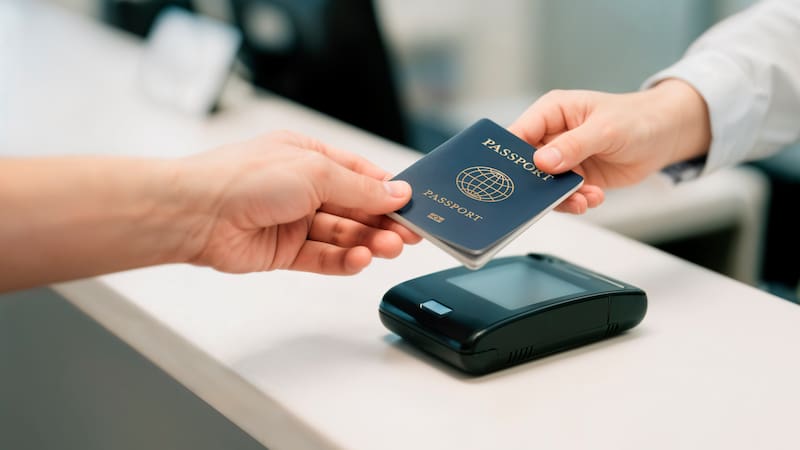
The Transportation Security Administration (TSA) sets out a series of documents that can be presented as an alternative to a passport for traveling on domestic flights within the United States.

It also offers a paid identity verification service for those who do not have any of the accepted forms of identification.
According to the TSA official website, passengers over 18 must present valid identification at airport security in order to travel.
What other documents does the TSA accept to board domestic flights?
In addition to the U.S. passport, both in booklet and card format, the TSA accepts different forms of identification to verify passengers’ identities, including:
- Driver’s license or state ID card that meets REAL ID requirements.
- Enhanced driver’s license (EDL) or enhanced identification card (EID).
- Digital IDs and mobile driver’s licenses (mDL) accepted by the TSA at enabled airports.
- DHS trusted traveler cards (Global Entry, NEXUS, SENTRI, and FAST).
- Department of Defense ID, including those issued to family members.
- Permanent Resident Card (Green Card).
- Border crossing card.
- Photo ID issued by a federally recognized nation or Native American tribe, including Enhanced Tribal Cards (ETC).
- HSPD-12 PIV card.
- Foreign passport.
- Canadian provincial driver’s license or Canada Indian and Northern Affairs card.
- Transportation Worker Identification Credential (TWIC).
- Employment Authorization Document (I-766) issued by USCIS.
- U.S. Merchant Mariner Credential.
- Veteran Health Identification Card (VHIC).
In addition, the TSA accepts certain digital IDs through platforms such as Apple Wallet, Google Wallet, and CLEAR, only at compatible airports and devices.
What is the alternative when you do not have a valid ID?
When travelers do not have any of these IDs, the TSA offers the TSA ConfirmID service, which allows a request for identity verification by paying US$45.
To use it, passengers over 18 must go to the Pay.gov platform, enter their personal information, indicate the trip start date, and pay the corresponding fee.
Once the payment has been made, they will receive a receipt by email that must be presented, either in digital or printed form, during airport security screening.
The payment is valid for 10 days from the declared trip start date. However, the service does not guarantee that the TSA can verify the passenger’s identity or authorize access to security screening.
What happens with international travel?
For international travel, passengers generally must present a valid passport and comply with the documentation requirements established by the destination country.
In addition, depending on the traveler’s nationality and destination, visas, electronic authorizations, or other immigration documents may be required.