
En esta noticia
In the middle of a forest near the town of Prenden, north of Berlin, stands a structure that for years remained virtually invisible. From the surface, nothing seemed unusual, but beneath the ground was one of the most secret and sophisticated projects in the German Democratic Republic: Object 17/5001, later known as the Honecker bunker.

According to the municipality of Wandlitz, the decision to build it was made in 1973, and work took place between 1978 and 1983. When it was completed, East Germany had underground a three-level facility with about 7,500 square meters of usable space from which the National Defense Council was supposed to coordinate the country’s response if war broke out. In the event of a nuclear attack, the complex could house about 350 people for roughly 14 days.
The government that was supposed to survive underground
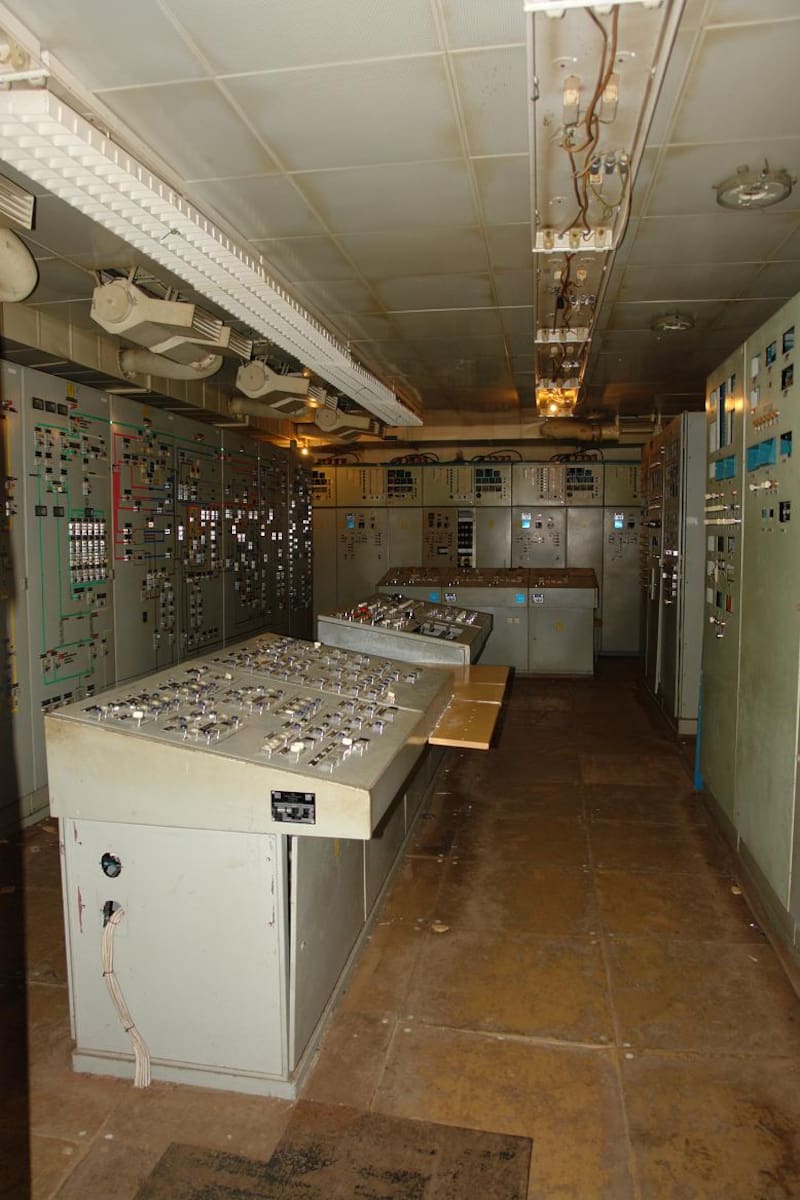
The bunker was not meant to protect East Germany’s population but those who were supposed to keep the state and armed forces running if war began. According to Tagesspiegel, it was a command post from which Honecker would have directed the army alongside Soviet troops in the event of a crisis. The facility had, according to Subterranea Britannica, about 170 rooms, including dormitories, dining halls, ventilation and filtration systems, water supply and emergency power, decontamination areas, and a broadcast studio.
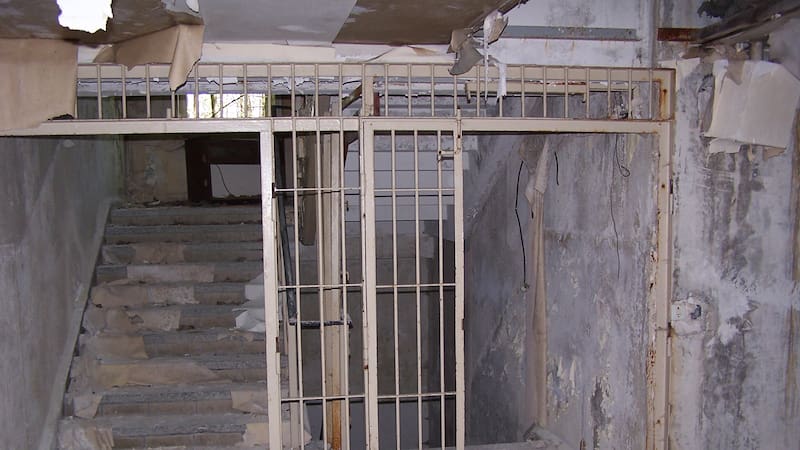
The structure had one feature that made that isolation possible. According to the same source, the power supply, telephone exchange, and ventilation were mounted on hydraulic systems or suspended on springs to withstand shock waves, and access was protected by airtight steel doors. The Brandenburg monuments register mentions four gas-tight, pressure-tight steel doors at the main entrance.
From the outside, the site was concealed: Subterranea Britannica says it was disguised as a weather-measurement center, and entry was through a long corridor from the basement of a nearby office building. The project was carried out by engineers from the National People’s Army with advice from Soviet specialists, according to the Brandenburg register. About 85,000 tons of concrete were used in its construction.
Until 1989, about 20 technicians kept the bunker on alert day and night, according to Süddeutsche Zeitung. The scenario its builders envisioned was simple and terrifying: while cities were destroyed and radiation made it impossible to stay on the surface, the leaders would enter the bunker and continue to exercise power from there. It follows the same logic as other Cold War installations, such as Camp Century, or the network of nuclear bunkers that Switzerland maintains to this day.
Honecker went inside only once
Erich Honecker was the very person the complex was meant to protect, since he chaired the GDR’s National Defense Council.
However, the leader visited the bunker only once. That was in December 1983, during the inauguration, and he stayed for only a short time, between 15 and 20 minutes.
After that visit, the man the complex had been built to protect returned to the surface and the bunker was left in the hands of the technicians assigned to keep it ready. Everything was prepared for a moment that never came.
The Wall fell and the bunker lost its reason for existing
The facility had been designed for a confrontation between blocs that never happened. When the Berlin Wall fell in November 1989, the world it had been built for began to disappear and, less than a year later, the German Democratic Republic ceased to exist.
According to the municipality of Wandlitz, the Bundeswehr operated the bunker between 1990 and 1993. Part of the facility was then dismantled and the entrance was sealed. Subterranea Britannica adds that in the years that followed, there were visits by enthusiasts, some of whom tried to get back inside, and that the site has protected status.
In 2008, something extraordinary happened: for the first time, the public was allowed inside on organized tours. According to RTVE, the GDR’s most important anti-atomic shelter opened to the public in August 2008 and remained open for about three months: some 20,000 people visited during that period.
After those visits, the entrance was closed again: by the end of 2008, it had been sealed with concrete. The municipality of Wandlitz now considers it a Cold War technical monument and says efforts are underway to reopen it to the public.