
En esta noticia
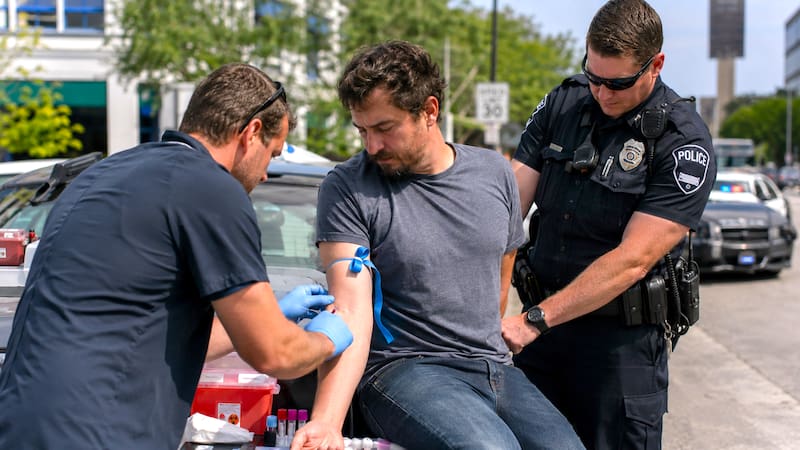
Florida law informs all drivers that in certain accidents related to driving under the influence of alcohol or drugs (DUI), the authorities may carry out a forced blood draw, even when the driver refuses to submit to the test.
It is important to note that this only applies in specific circumstances and in order to determine under what conditions the person who caused the accident was driving.
In which cases can Florida carry out forced blood draws
According to the Florida Department of Highway Safety and Motor Vehicles (FLHSMV), a forced blood draw may be carried out when a DUI-related accident occurs that causes serious bodily injury or death.
In these situations, the draw may be performed by authorized medical personnel using “reasonable force” by the arresting officer, even if the driver refuses the test.
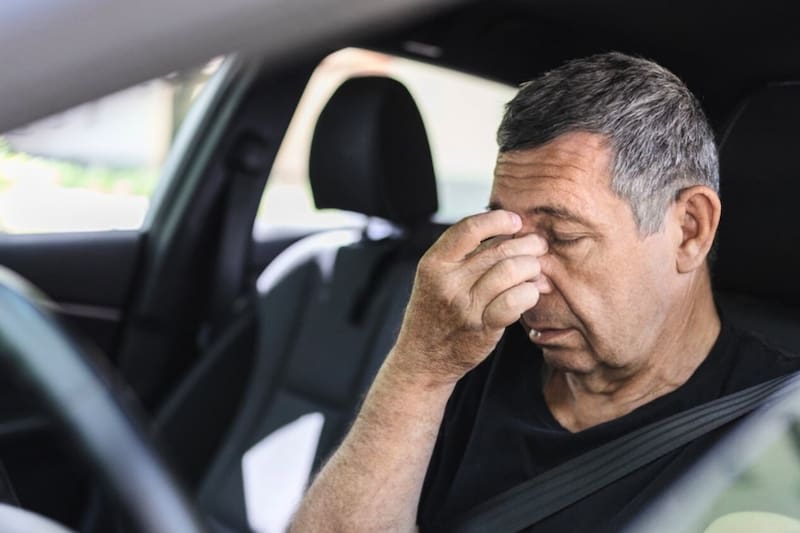
However, Florida warns that “refusing to submit to a breath, urine, or blood test is admissible as evidence in DUI criminal proceedings. The second or subsequent refusals are considered a first-degree misdemeanor“, so not agreeing voluntarily can have serious consequences.
How long Florida suspends a driver’s license
In addition, DUI accidents result in driver’s license revocation periods. The minimums established by law are as follows
- First conviction without bodily injury: minimum revocation of 180 days and maximum of one year.
- First conviction with bodily injury: minimum revocation of three years.
- Second conviction within five years of the first: minimum revocation of five years.
- Second conviction five years or more after the first: the same periods established for a first conviction apply.
- Third conviction within ten years of the second: minimum revocation of 10 years.
- Third conviction ten years or more after the second: the same periods as for a first conviction apply.
- Fourth conviction, regardless of when the previous ones occurred: mandatory permanent revocation.
- Involuntary manslaughter by DUI: mandatory permanent revocation.
- DUI with serious bodily injury or vehicular homicide: minimum revocation of three years.
It is important to note that, in addition to the revocation of the driver’s license, financial fines, criminal penalties, vehicle confiscations, or even attendance at a DUI school may also be required.