

En esta noticia
Residents who buy a dog or a cat in the United States must pay attention to a new regulation that has already taken effect and changes the obligations of pet sellers.
The measure strengthens consumers’ rights and establishes stricter controls on commercial transactions.
What changes with the new law for the sale of dogs and cats in Florida?
This is law SB 1004, which adds new requirements for businesses dedicated to the sale of dogs and cats.
Among the main changes, it requires delivering the animal’s veterinary history before completing the purchase and expands buyers’ alternatives when the pet has illnesses or health problems.
From now on, sellers must notify in writing what the consumer’s rights are if the pet turns out to be sick or is not fit for purchase.
What rights will buyers have?
The legislation expands the tools for those who buy a dog or a cat and later discover that the animal has an illness or condition that prevents its purchase under the agreed terms.
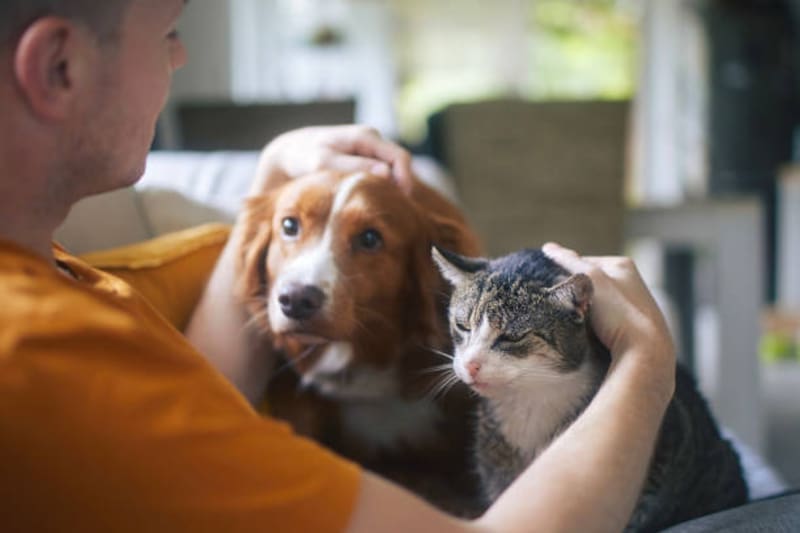
Among the main protections are:
- Return or exchange the pet in the cases provided by law.
- Cancel without penalties the financing contract, if applicable.
- Request the reimbursement of veterinary expenses in certain circumstances.
- Access all of the animal’s medical documentation before completing the purchase.
Who does the new regulation apply to?
The law applies to pet dealers or businesses dedicated to the sale of dogs and cats in Florida and also changes the criteria for determining who is included in that category.
In addition, violations may be prosecuted under the Florida Deceptive and Unfair Trade Practices Act, which stiffens the consequences for those who fail to comply with the new obligations.
The controversial law that sparked a wave of criticism
Although the law was presented as a tool to strengthen consumers’ rights and improve transparency in pet sales, the regulation also sparked criticism among animal advocates.
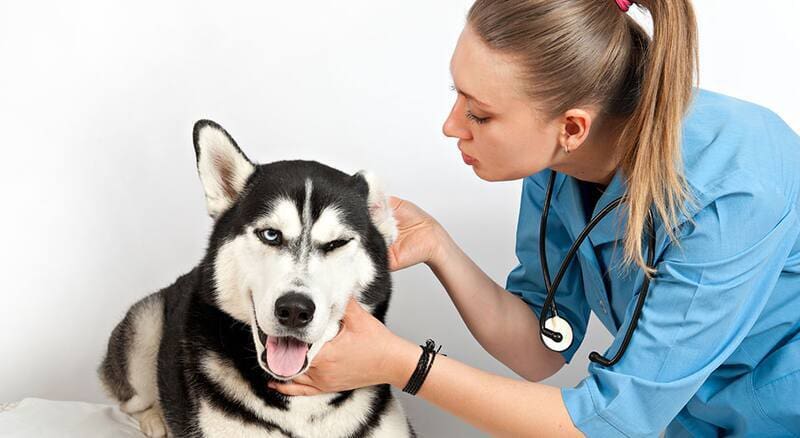
Its critics argue that the provisions allowing returning, replacing, or requesting a refund when a dog or cat has health problems contribute to normalizing the treatment of pets as consumer goods, instead of recognizing them as living beings with needs.