
By Pedro Bianco
En esta noticia
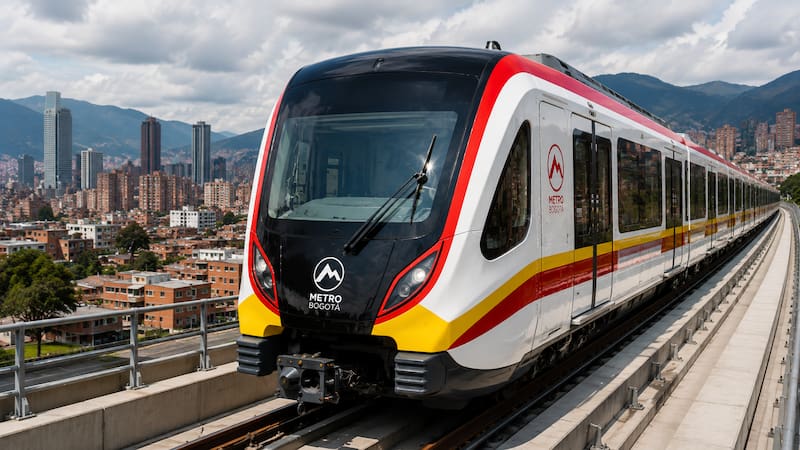
One of Latin America’s largest urban infrastructure projects is moving ahead in Colombia: the first subway line in Bogota, its capital. The project involves an investment of nearly $7 billion and will operate with a fleet of 30 trains made in China, 100% electric and driverless.
This Latin American country is investing $7 billion in its capital’s first subway line
The project is taking shape in Colombia, in its capital, Bogota, one of the most populous cities in the region, which for decades operated without a subway system despite multiple attempts and promises from different governments. The construction of its first line is therefore a long-awaited milestone for the city’s residents.

Bogota’s first subway line will require an investment of nearly $7 billion, one of the highest figures for an urban transit project in Latin America.
That amount covers the full project over its development (construction, rolling stock and the financing and operating structure), and places it among the country’s most significant infrastructure investments.
What the trains will be like: Chinese, 100% electric and driverless
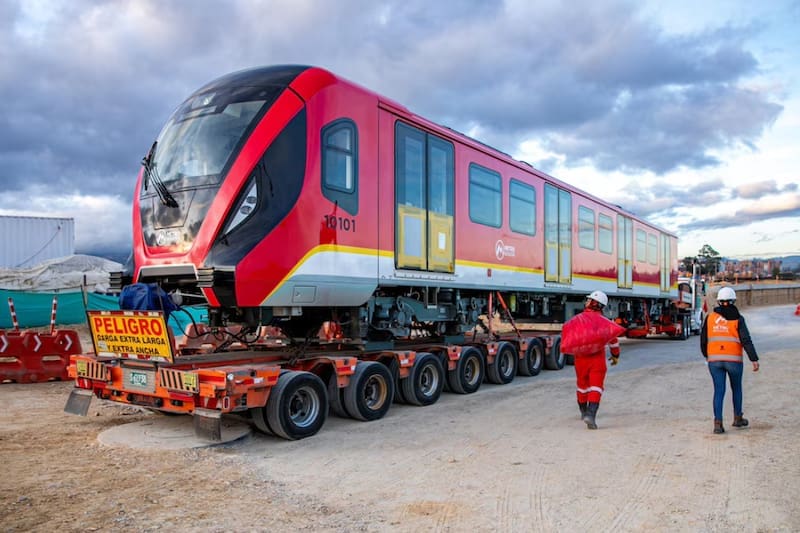
At the heart of the system will be its train fleet, made in China by state-owned CRRC (China Railway Rolling Stock Corporation), one of the largest rail equipment manufacturers in the world. Its features include:
- There will be 30 trains, each with six cars and a length of about 134 meters.
- They will run on 100% electric power and include energy recovery technology, meaning some of the braking energy will be reused to power other trains.
- They will be automated, meaning no driver (fully automated).
The first trains have already been built and began shipping from China to Colombia.
What stage it’s in
On Sunday, Nov. 15, 2026, Mayor Carlos Fernando Galan confirmed new progress on the country’s infrastructure and mobility project. Metro Line 1 has reached 20 kilometers of viaduct built and 12 kilometers of rail lines completed. Overall, work on this megaproject has reached 84.68% completion.
The official goal is for the line to begin commercial service in March 2028, although, as with any megaproject, the dates could be adjusted as the work and testing move forward.