
En esta noticia
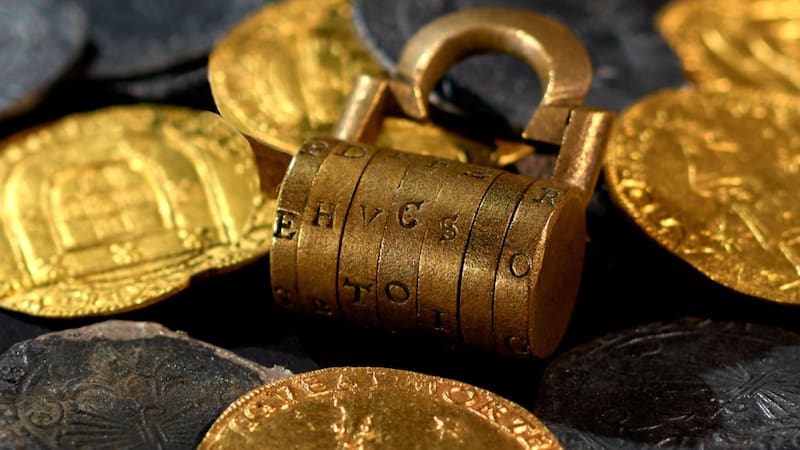
The code on a 1583 padlock recovered from a sunken ship off the coast of Wales remained unsolved for more than four centuries. But on Nov. 4, 2026, experts from Cardiff University and the National Museum of Wales managed to crack the combination thanks to technology that allowed them to examine the mechanism without damaging the piece.
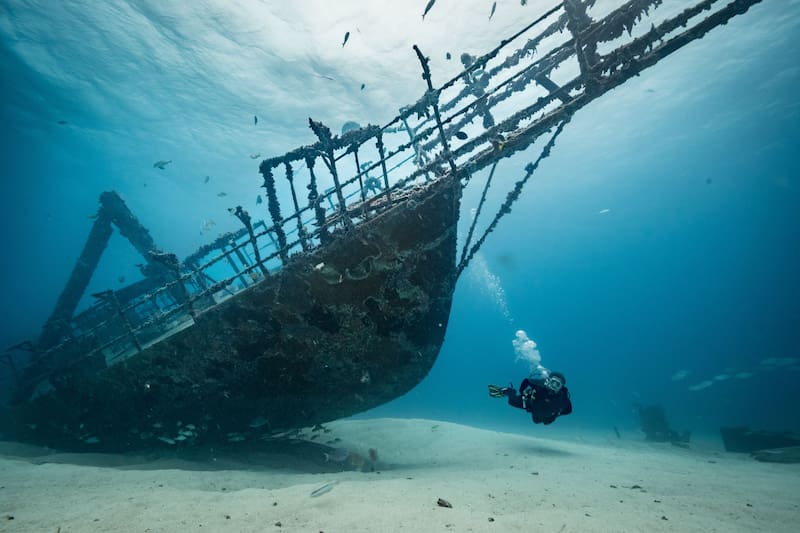
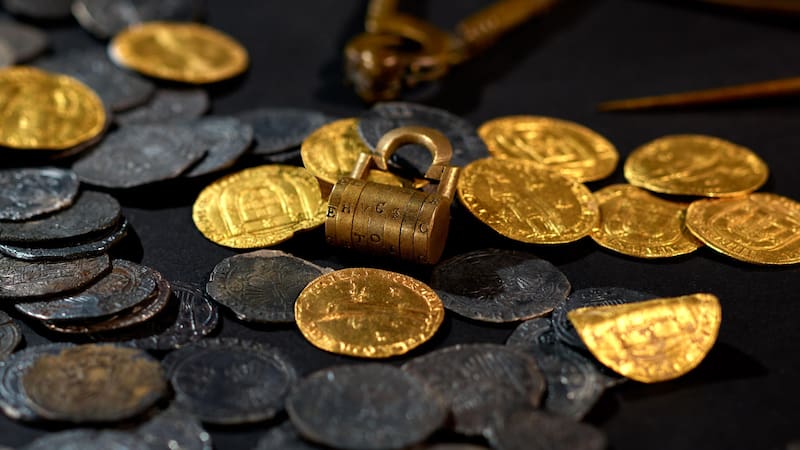
The object was part of the cargo of the Ann Francis, an English ship that was wrecked on Dec. 28, 1583 as it returned from Spain. Among the treasures found are Spanish silver coins and rare gold pieces minted during the reigns of Ferdinand and Isabella, the Catholic Monarchs, the EFE news agency reported Wednesday.

How They Cracked the Lock’s Code After More Than 400 Years
To solve the puzzle, the researchers used micro-computed tomography, a technique that makes it possible to see inside objects and reconstruct their structures in three dimensions. That allowed them to study the lock mechanism and determine how the notches lined up with the letters in the combination.
“The micro-CT let us look inside the lock without damaging it,” says David Williams, a researcher in the School of Engineering at Cardiff University. Williams, who normally uses this technology to study bones and other biological structures, acknowledged that examining an object like this was “a new experience.”
The result identified the sequence ANCE, a combination that had resisted numerous attempts over the decades. However, the researchers still do not know whether that word had any particular meaning for the owner of the lock.
The Sunken Ship’s Treasure: Spanish Coins and Gold Pieces of the Catholic Monarchs
The Ann Francis sank as it returned from Spain after a violent storm knocked it off course and ran it aground on Margam Beach, near Port Talbot in Wales. The remains of its cargo stayed buried for centuries under the sand until erosion began to expose the objects.
Most of the pieces were recovered between 1996 and 2017 by Peter Hughes, a metal detector hobbyist. The National Museum of Wales later acquired the finds, which included Spanish silver coins, rare gold pieces from the Catholic Monarchs, two coin weights and the brass padlock.
Specialists believe the object was used to lock a small chest containing valuables, since it was found near the coins and weights. In their view, it may have protected that cargo or held other items that did not survive the shipwreck, such as documents or fabrics.
Where to See the 1583 Padlock and Other Objects Recovered From the Shipwreck
“Elizabethan-era combination locks are known in Britain, but this one is in an exceptional state of preservation and is tied to a shipwreck whose date we know, which makes it a unique find,” says Alastair Willis, chief curator of numismatics and Welsh economy at the National Museum of Wales.
Hughes recalled the moment he found the piece and was struck by how easily its mechanism still moved. “When I moved the combination rings, they turned easily after more than 400 years under the sand,” he says. Despite making numerous attempts over nearly 20 years, he never managed to open the lock.

The piece and other objects recovered from the cargo are currently on display at the Swansea National Waterfront Museum, in the Tides of Treasure exhibition, dedicated to Welsh maritime heritage.
The exhibit will remain open until June 2027 and offers a look at some of the items the English ship was carrying. Although researchers managed to solve the code after more than four centuries, one question remains unanswered: what the word ANCE meant to the person who used the lock.