
En esta noticia
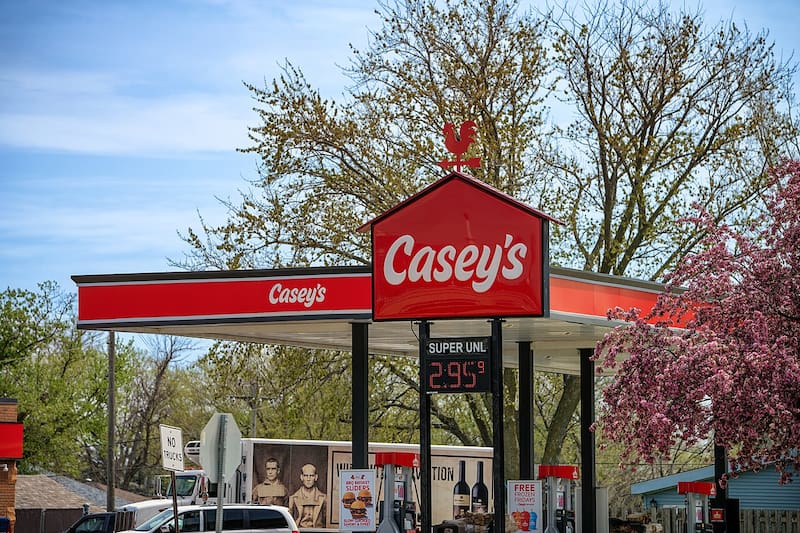
The chain CEFCO Convenience Stores was acquired by Casey’s General Stores, which is now gradually converting CEFCO locations into Casey’s stores.
Casey’s acquired CEFCO for more than $1 billion
The transition began after Casey’s General Stores acquired Fikes Wholesale, the company that owned CEFCO, in an all-cash transaction valued at approximately $1.145 billion.
The deal, which closed in November 2024, included roughly 198 CEFCO convenience stores, primarily located in Texas. The acquisition also expanded Casey’s presence in the southern United States.
What will happen to the CEFCO stores?
The gradual re-branding does not mean that every location is closing. Instead, Casey’s has been remodeling the stores and reopening them under the Casey’s name.
During fiscal 2026, the company remodeled approximately 50 former CEFCO locations.
The conversions are expected to continue, although Casey’s has not announced a single definitive date by which every CEFCO location will have been converted.
What may change for customers
The decision marks the end of a long chapter for a convenience store chain that had been operating for roughly seven decades.
CEFCO became a familiar name across parts of the southern United States, particularly Texas. Its stores offered customers many of the products typically found at convenience stores, including fuel, beverages, snacks and prepared food.
Now, however, shoppers who previously visited CEFCO locations will increasingly see Casey’s signs and branding instead.

Casey’s continues to expand
Casey’s operates nearly 3,000 stores across 19 states and has continued opening and acquiring locations as it expands its footprint.
The company has particularly focused on smaller communities, where its convenience stores can serve as important stops for fuel, groceries and prepared food.
Its stores also compete through offerings such as pizza, other prepared meals, beverages and snacks, giving Casey’s multiple sources of revenue beyond gasoline.