
En esta noticia
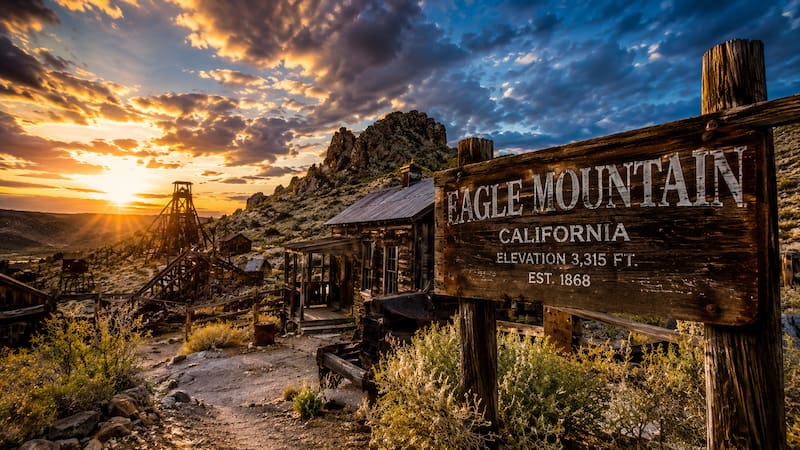
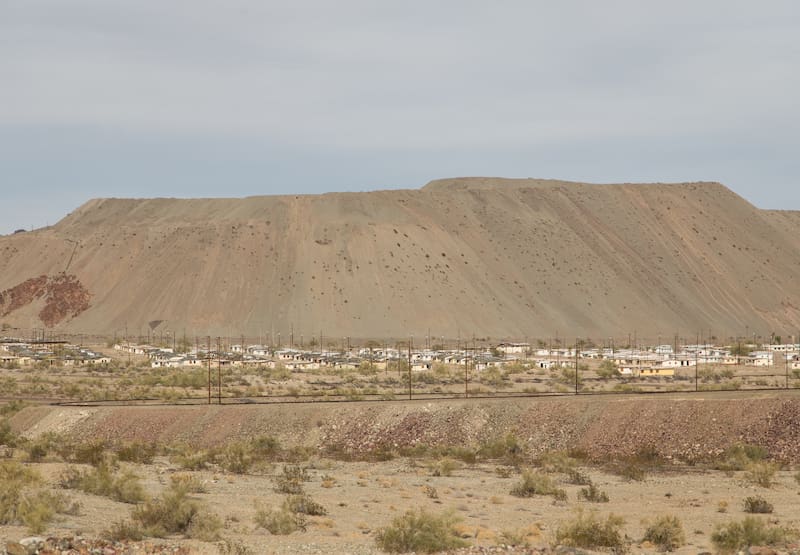
In the southeast of Joshua Tree National Park, in California, the layout of Eagle Mountain still stands, a town built in 1948 to house the workers of an iron mine and their families. Its streets, houses, and the hospital that served the community made the site one of the largest and best-preserved ghost towns in the United States.
Magnate Henry J. Kaiser founded the town to support the Eagle Mountain mine, according to documentation from the National Park Service. The company Kaiser Steel Corporation operated the deposit between 1948 and 1983 to supply its steel plant in Fontana, about 180 kilometers away.

Why was the town of Eagle Mountain built in California?
Kaiser built the town to support what became the largest iron mine in Southern California, with several large open pits. A private railroad connected the mine with the Fontana plant to process the extracted ore.
At its peak, the operation produced more than 350,000 tons a year and in 1977 celebrated shipping its 100 millionth ton of iron. To support the community, Kaiser built more than 400 homes, as well as mobile home parks and boarding houses for single miners.
The town also had schools, a shopping center, a bowling alley, a public pool, tennis courts, and churches. That prepaid health care arrangement for miners also laid the groundwork for the system that later gave rise to Kaiser Permanente.
What the town had at its peak
- More than 400 homes for workers and their families
- Complete elementary and high school
- Shopping center, bowling alley, and baseball field
- Hospital with an integrated health care system
Why did Eagle Mountain become a ghost town?
The decline in mine employment explains the town’s emptying out. The population had fallen to about 1,890 people during the 1970s and, by 1980, only about 750 workers remained in the mine.
In November 1981, Kaiser announced the gradual closure of the operation due to environmental costs and competition from imported steel. The warehouse closed in 1982, the post office shut down in 1983, and the last graduating class finished that same year.
Much of the infrastructure, however, remained standing without being demolished. Between the late 1980s and 2003, part of the town even operated as a private prison that reused the original shopping center before closing permanently.