
En esta noticia
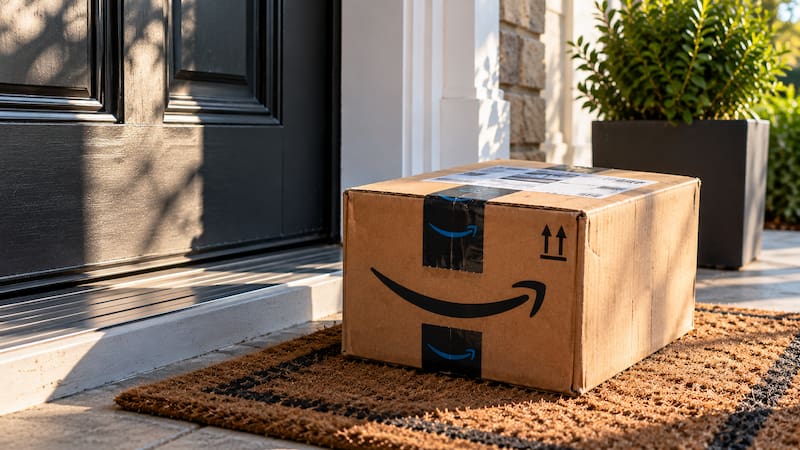
Receiving an Amazon package you never bought may seem like a delivery mistake or even an unexpected gift.

However, in some cases, these shipments may be related to a scam method that uses recipients’ data without their authorization.
What does it mean to receive an Amazon package you never bought?
Receiving an Amazon package you never bought can be a sign of a scam known as brushing.
The United States Federal Trade Commission (FTC) warns that scammers send unsolicited products to people whose personal data they have or seek to obtain in order to post fake reviews and artificially improve the reputation of their businesses.
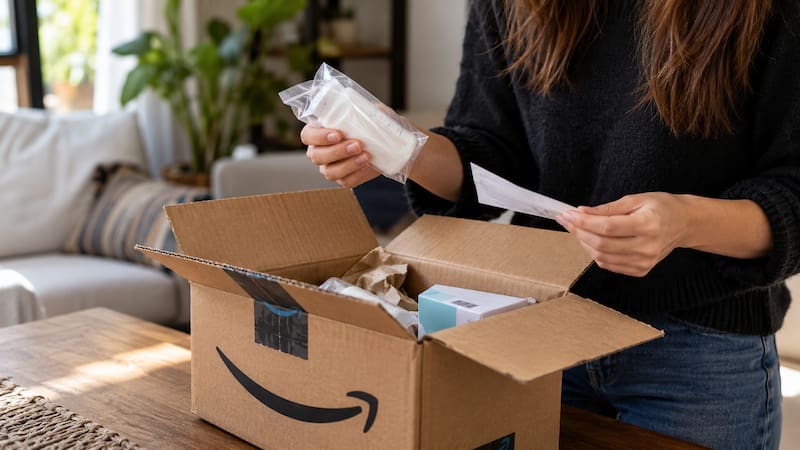
The packages usually contain inexpensive products, such as baby wipes, toothpaste, or seeds, and arrive in the recipient’s name.
The scammers’ goal is to obtain a delivery confirmation to make it appear that the purchase was made and to post fake reviews online as if they were written by real buyers. In this way, they seek to boost the reputation of their businesses and encourage sales through opinions that the supposed buyer never wrote.
Why can scanning a QR code inside the package be dangerous?
In some cases, the packages include a note with a QR code that invites the recipient to scan it to find out who sent the package or to manage a return.
However, the FTC warns that these codes may direct users to fraudulent websites designed to steal personal information.
Among the data scammers could try to obtain are credit card numbers, usernames, and passwords.
That is why it is important to avoid scanning suspicious QR codes included in packages that were not ordered.
What should you do if you receive a package you never bought?
The Federal Trade Commission recommends taking the following steps:
- Change the passwords of the accounts used to make online purchases, in case they have been compromised.
- Contact Amazon or the corresponding platform if the package comes from there, so they can investigate the seller.
- Review credit reports to detect possible signs of identity theft.
- Be cautious before using the products received, since it is unknown who sent them.
- Report the scam to the FTC through ReporteFraude.ftc.gov.
In addition, the agency clarifies that, under U.S. law, people are not required to pay for or return products they did not order.