

En esta noticia
Foreign nationals entering the United States must have an I-94 or I-94W permit, as applicable. This record, issued by Customs and Border Protection (CBP), documents the dates of entry and departure from the country.
The document is often required to complete certain immigration procedures, request an extension of a stay, and handle other matters related to legal presence in the United States.

What Is Form I-94 and Why Is It Important?
Form I-94 is the official record of the arrivals and departures of foreign nationals traveling to the United States. CBP generally issues it electronically, and it allows authorities to track each visitor’s immigration movements.
In addition, it shows until what date a person is authorized to remain legally in the country. That is why it is important to verify the information and respect the authorized length of stay to avoid immigration problems.
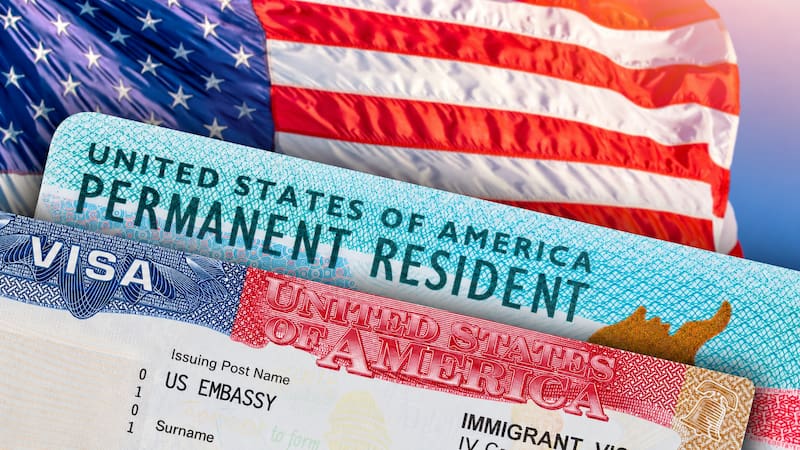
Those entering by land can request it in person at the port of entry or in advance online, up to seven days before traveling.
Who Does Not Need to Get Form I-94?
In general, people entering the United States must have an I-94 or I-94W permit, the latter for the Visa Waiver Program.
However, the following are exempt:
- U.S. citizens.
- Foreign residents returning to the country.
- Foreign nationals entering with immigrant visas.
- Most Canadian citizens visiting the United States or in transit.
For What Procedures Is Form I-94 Usually Required?
Form I-94 serves as proof of a person’s immigration record and is often required to carry out certain procedures related to their legal status in the United States.
It also allows people to:
- Check their record of entries and departures from the country over the past 10 years.
- Verify the authorized deadline to remain in the United States.
- View and print the admission record for entry into the country.
- Obtain a digital version of the document to keep on a cellphone.
How Much Does Form I-94 Cost?
As of Sept. 30, 2025, the fee for Form I-94 increased from $6 to $30.
The fee applies to requests made online, through the CBP One app, or in person at a land port of entry into the United States.