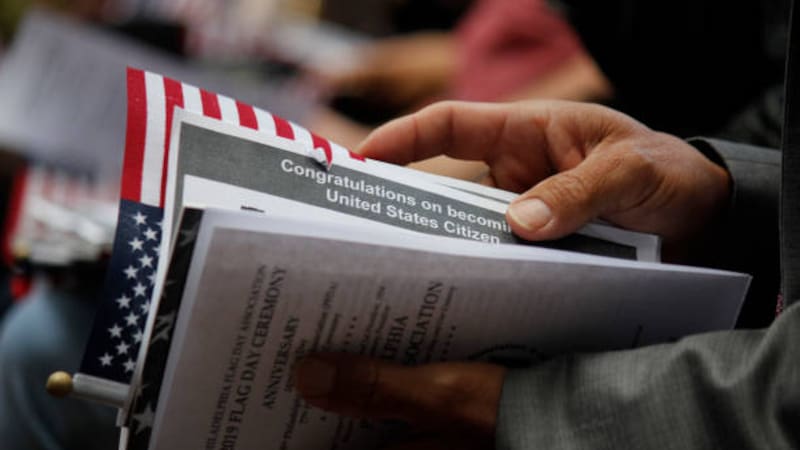
Fuente: iStock
Immigrants applying for US citizenship could face additional scrutiny under updated guidance from US Citizenship and Immigration Services. The agency may investigate its neighborhoods, contact people who know them, and verify information about their residence, employment, and reputation in the community.
The policy alert, issued on August 25, 2026, updates the USCIS Policy Manual and reinforces the agency’s authority to conduct personal investigations, also known as neighborhood investigations, as part of the naturalization process. The measure applies to people seeking citizenship through Form N-400.
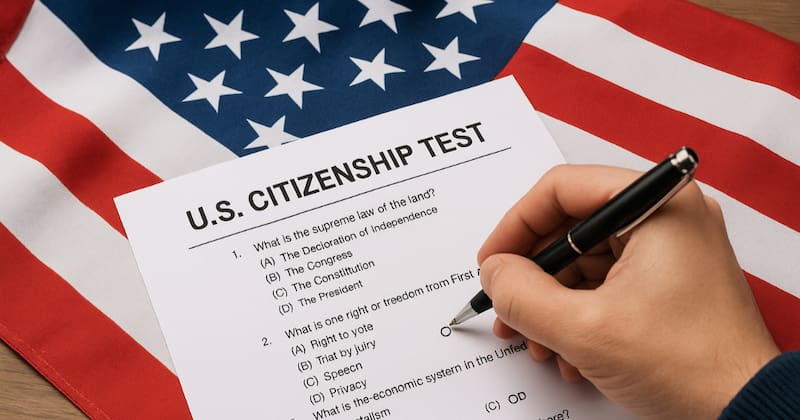
USCIS has discretion to decide whether an investigation is necessary after reviewing the evidence in an applicant’s file. Officials may contact neighbors, landlords, employers, coworkers, and business associates who can provide information about the applicant’s background and conduct.
The investigation generally covers the five years before the person files the citizenship application. However, USCIS may examine a shorter or longer period depending on the circumstances of the case.
Applicants may be asked to provide testimonial letters from people who know them and can offer specific information about their character and eligibility for naturalization. USCIS can consider these documents when deciding whether a neighborhood investigation can be waived, but submitting letters does not guarantee an exemption.
If the agency conducts an investigation and obtains unfavorable information that could lead to a denial, it must notify the applicant and give them an opportunity to respond. USCIS makes the final decision based on the evidence and the individual circumstances of each case.