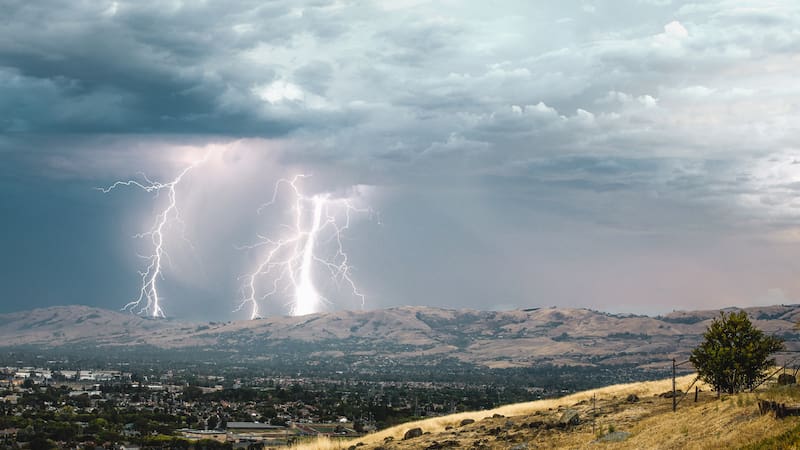

En esta noticia
A strong slow-moving storm that has caused flash flooding and severe weather across the western United States for days is entering its final phase. On Monday, October 26, colder air is turning part of the rain into snow over the northern Plains, bringing the first snowfall of the season to some areas.
According to AccuWeather, the storm will finish on a cold and snowy note before winding down over the Plains this week.
What the storm left behind over the weekend
Between Saturday and Sunday, the storm brought 1 to 4 inches of rain to parts of Colorado, New Mexico, and the nearby central and southern Plains, with local amounts of up to 10 inches.
The rain caused flash flooding in hilly and desert areas, and major to record flooding was reported along parts of the San Juan River in northern New Mexico.
Where is the first snow falling?
From Sunday night to Monday night, the colder air is bringing snow outside the highest mountain areas. The places expected to see accumulations are:
- South Dakota: The Black Hills could get several inches of snow, and Rapid City could see a slushy accumulation, especially on grassy surfaces. Monday is when the snow is expected to fall the hardest.
- North Dakota: Parts of the southwestern part of the state.
- Wyoming: Some eastern areas.
- Nebraska: Parts of the northwestern part of the state.
“There is the potential for several inches of snow to fall over the Black Hills of South Dakota,” AccuWeather senior meteorologist Bob Smerbeck said.
The colder air is also reaching eastern Montana and western Minnesota. The Denver area is expected to avoid the snow.
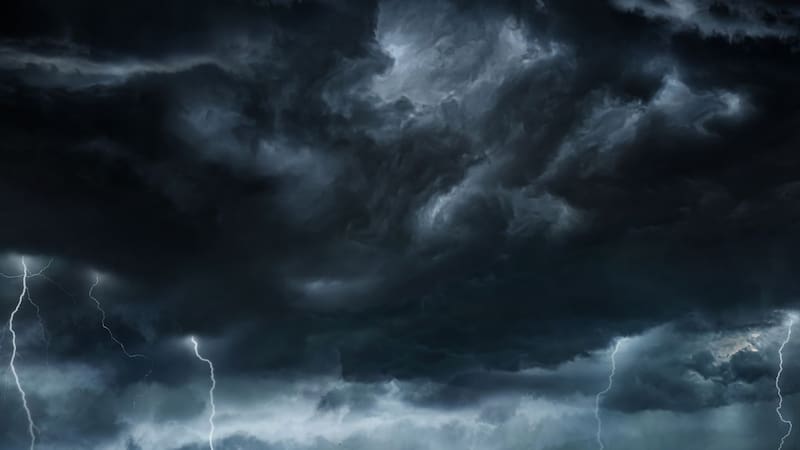
Severe storms through Monday night
The storm’s severe weather threat continues into Monday evening, mainly in New Mexico and West Texas. The main risks are hail and damaging wind gusts, although a couple of brief tornadoes are possible with the strongest storms.
After Monday night, the storm is expected to lose strength over the Plains during the rest of the week. Residents in the affected areas should check the latest alerts from the National Weather Service before traveling, since conditions can change quickly.