

En esta noticia
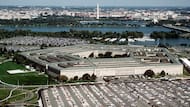
The Pentagon’s official toll of U.S. service members who have died in the Iran war rose to 23 this week, and 865 more have been wounded by enemy fire. More than half of the wounded were hit after the April cease-fire collapsed.
The latest increase came from two Air Force deaths added Wednesday and Thursday to the Defense Casualty Analysis System. That database is the Pentagon’s official record of troops killed and wounded in wars and other military operations.
The Air Force classified both deaths as nonhostile, meaning enemy action did not cause them. One airman died of an illness, and the cause of the other death remains under investigation. Neither has been publicly identified.
The war began Feb. 28 with U.S. and Israeli strikes on Iran. The Pentagon’s figures cover uniformed service members only. Civilian contractors killed or injured in the region are not part of the count.

How many US troops have died in the Iran war, and how many were killed by enemy fire?
Of the 23 deaths, 11 came from enemy fire and 12 were classified as nonhostile. With this week’s additions, deaths outside combat now narrowly outnumber those caused by Iranian attacks.
Half of the nonhostile deaths happened in a single incident. Six airmen were killed March 12 when a KC-135 refueling tanker went down in western Iraq. U.S. Central Command said the crash was not caused by hostile fire and involved another U.S. aircraft.
The Pentagon uses “nonhostile” for any death not caused directly by the enemy, from aircraft and vehicle accidents to illness. These deaths still count toward the war’s toll because they happened while troops were deployed for the operation.
The deadliest combat incident so far came on March 1, the war’s second day, when an Iranian drone strike in Kuwait killed six Army Reserve soldiers. Three more soldiers died July 17 in an Iranian attack on a target in Jordan.

Why were more than half of US troops wounded after the cease-fire?
The Pentagon has recorded 448 of the 865 wounded, about 52%, since July 7. That is the date President Donald Trump told Congress that U.S. military action against Iran had resumed. The other 417 were wounded before then.
The U.S. and Iran agreed to a two-week cease-fire April 7, and Trump extended it indefinitely April 21. On June 17, the two countries signed a memorandum of understanding meant to turn that pause into a lasting truce.
The deal unraveled in early July, after Iranian attacks on commercial ships in the Strait of Hormuz. U.S. strikes on Iran followed, and Iran answered with retaliatory attacks on American forces in the region.
The share of troops wounded after the cease-fire may be even higher. Attacks continued during the spring truce, so some of the 417 recorded before July 7 could also have been wounded after the April agreement took effect.
How does the Pentagon count US troop casualties in the Iran war?
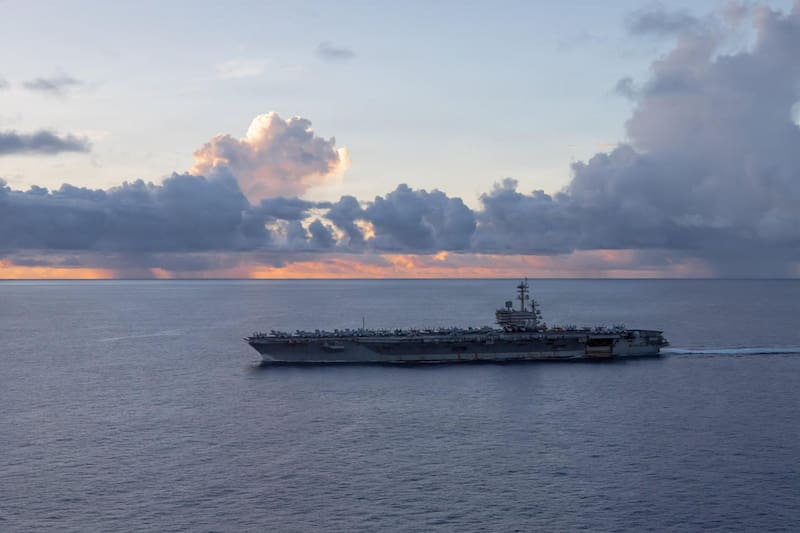
The Pentagon’s casualty database splits the war into two periods. Operation Epic Fury, the name for the campaign that opened Feb. 28, lists 15 deaths and 417 wounded. A second category, Overseas Operations, covers July 7 onward and lists eight deaths and 448 wounded.
The split dates to late July. Four soldiers killed that month briefly disappeared from the war’s death count, which dropped it from 18 to 14. A Pentagon spokesperson attributed the drop to temporary data problems, and the deaths reappeared days later under the new heading.
Since then, the Overseas Operations wounded tally has more than doubled, from 207 in late July to 448 now. The death count has also climbed in stages as new cases are entered, rising from 18 to 21 and now 23.
Entries can lag behind events by days or weeks, so the database reflects what the Pentagon has processed rather than a real-time count. The two Air Force deaths added this week, for example, were entered after the airmen had died.