
En esta noticia
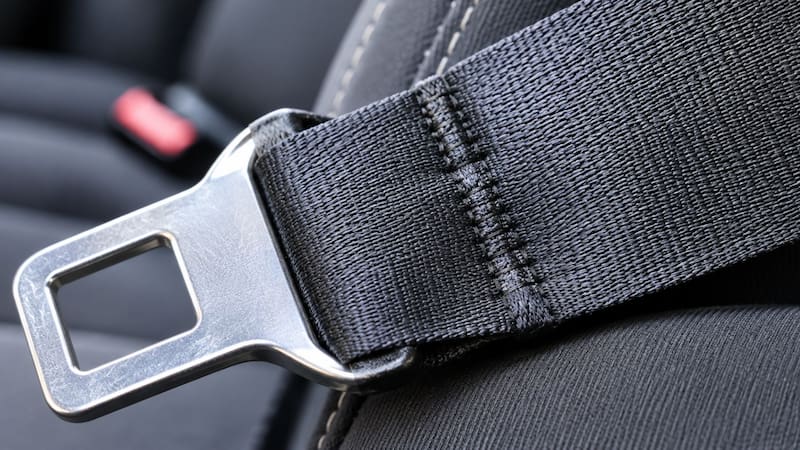
The seat belts in a car have different components designed to protect occupants and make everyday use easier. But there is one small detail that often goes unnoticed: a stitch or fold next to the metal buckle.
Although it may look like a simple reinforcement in the webbing, this piece serves a specific function that helps keep the belt accessible and, in other designs, may be part of a mechanism that absorbs kinetic energy during a crash. Its purpose depends on the structure and safety system in each vehicle.

What is the small stitch next to the buckle for?
In many cars, that small thickened section of the webbing is a buckle stopper. Its job is to keep the metal piece that slides along the belt from dropping too far when it is not buckled.
As Safe Ride News explained in an article published May 14, 2024, manufacturers use different stopper designs to keep the sliding buckle in an accessible position and make it easier for occupants to find when they get into the vehicle.
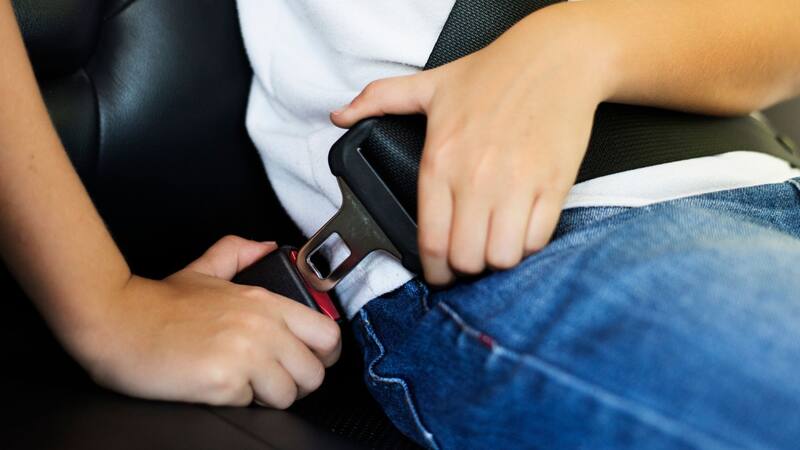
When the belt is not in use, gravity can pull the metal piece down the webbing until it ends up under the seat or in an awkward spot. The small stitched stopper limits that movement.
Can the stitch also protect occupants in a crash?
Although not all stitches have that function, some seat belts include a fabric fold held by special stitching that works as a load limiter. Unlike the buckle stopper, this system is designed to activate during a collision.
The NHTSA, the U.S. agency responsible for road safety, explains in its technical document Effectiveness of Pretensioners and Load Limiters that these mechanisms control seat belt tension when an occupant’s body moves forward during an impact.
If the force exceeds a set threshold, the stitches in the fold can tear in a controlled manner, allowing the webbing to extend slightly farther and absorb some of the crash energy.
How does the load limiter in some seat belts work?
The load limiter is a system that allows the seat belt to give in a controlled way when the force it receives during a collision is high. Its goal is to reduce the pressure on the chest and help lower the risk of injury.
The U.K. government’s heavy vehicle inspection manual, in effect since April 2025, describes this mechanism and notes that one of the simplest designs consists of a fold in the webbing held together with stitching that comes apart when a high force is applied.
In this way, the webbing releases a small amount of extra length to better control the force on the body. Other, more advanced load limiters use internal mechanisms, such as torsion bars inside the retractor.