
En esta noticia
When cleaning the home, many people choose to reduce the use of chemical products to avoid exposure to toxic substances or the generation of dangerous gases when mixing different cleaning products.
The United States Environmental Protection Agency (EPA) published the booklet Non-Toxic Cleaning Recipes for the Home, prepared by the Morongo Environmental Education and Outreach Program. The document explains how to use products such as vinegar, detergent, and warm water to clean floors, among other tips.
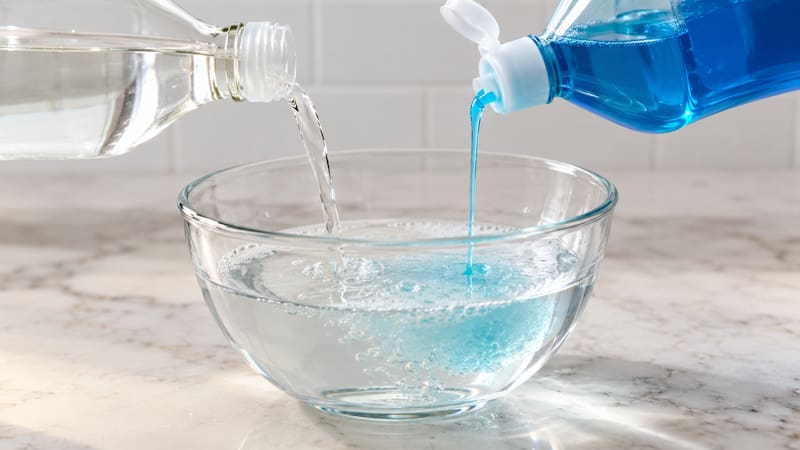
What is mixing vinegar with detergent and water used for?
This mixture is presented in the booklet as a “Basic Floor Cleaning Formula” and can be used on different types of surfaces, except those for which the use of detergents is not recommended.
On the one hand, detergent contains substances called surfactants, which reduce the surface tension of water and make contact with dirt easier. They also help loosen grease and keep it dispersed in the water so it can be removed during cleaning.
For its part, white vinegar and lemon juice contain acids, such as acetic and citric acid, respectively, which can help dissolve mineral deposits, such as some limescale residue and water stains.
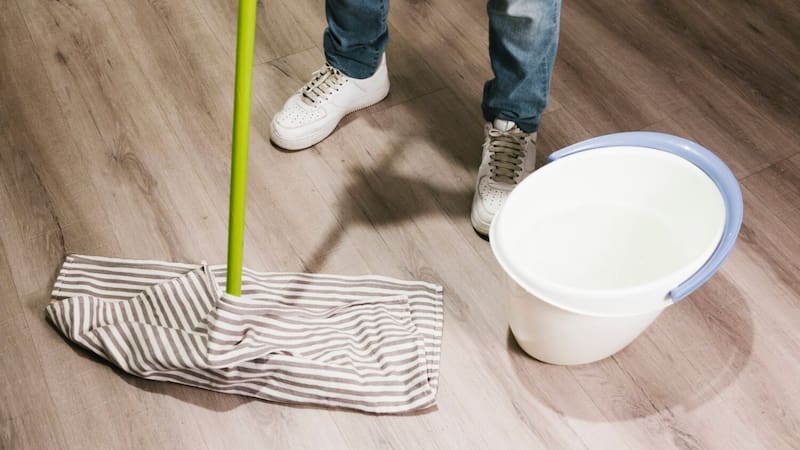
Warm water acts as a diluent, makes it easier to distribute the ingredients over the floor, and allows dirt to be carried away during cleaning.
How do you prepare the mixture and use it to clean floors?
According to the Morongo Environmental Education and Outreach Program booklet, published by the EPA, the following ingredients should be mixed in a large plastic bucket:
- 1/4 cup of liquid soap or unscented, biodegradable detergent.
- Up to 1/2 cup of white vinegar or lemon juice.
- 2 gallons of warm water (approximately 7.6 liters).
Once prepared, the mixture can be applied with a mop or a sponge to the areas to be cleaned. The booklet does not specify that rinsing is necessary after application.
Alternatives to enhance the effect of the mixture
The booklet also offers different variations of the basic formula, depending on cleaning needs:
- Degreasing floor cleaner: add 1/4 cup of sodium carbonate (Na2CO3, different from sodium bicarbonate NaHCO3) to the bucket before adding the warm water. This preparation should not be used on waxed floors.
- Antiseptic cleaner: add between 10 and 20 drops of lavender, rosemary, or tea tree essential oil, depending on the desired scent intensity. This mixture should not be considered a substitute for a registered disinfectant.
- Deodorizing cleaner: add 1/4 cup of borax before adding the warm water and stir until dissolved. This variation can help reduce musty odors and make it easier to remove dirt.
- Herb-infused cleaner: for those looking to add a pleasant aroma, a few cups of concentrated mint tea or a lavender infusion can be added.
It is important to keep in mind that these variations must be prepared according to the instructions in the booklet.