
En esta noticia
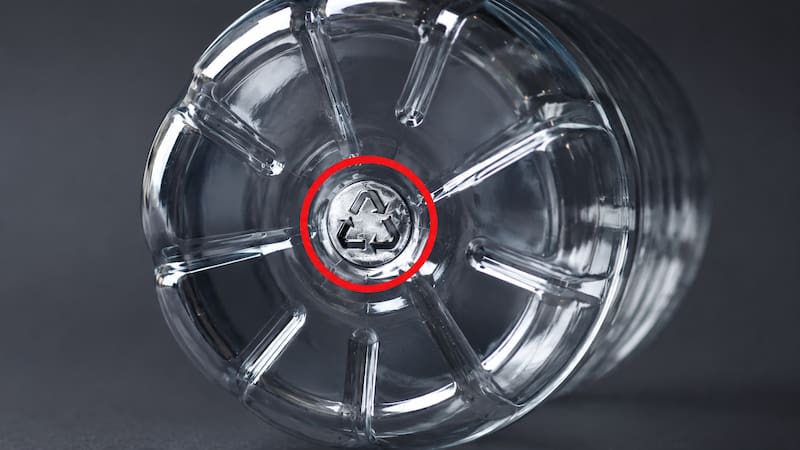
The triangle with a number that appears on the bottom of plastic bottles and containers does not confirm that the product is recyclable, although almost everyone interprets it that way. In reality, that symbol identifies the type of plastic it is made from and guides its classification.
It is a numeric code from 1 to 7 used by waste management systems to organize materials. Its function is industrial: to make separation easier, not to certify that a container ends up being recycled.

What does each number in the triangle on plastic containers mean?
Each digit corresponds to a different resin, and it determines how easy or difficult recovery is. Knowing the number on the plastic container makes it possible to anticipate whether it is usually accepted in household collection systems.
What each number identifies
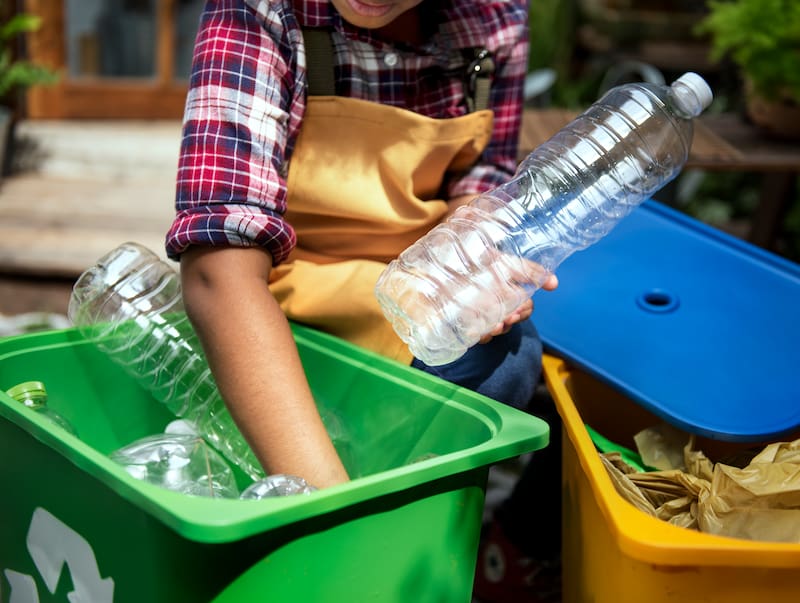
- 1 (PET): beverage bottles and food containers. One of the most accepted.
- 2 (HDPE): milk, cleaning, and cosmetic containers. Widely recyclable.
- 3 (PVC): pipes and construction materials. Rarely recycled at home.
- 4 (LDPE): bags and flexible wrappings. Not always accepted.
- 5 (PP): heat-resistant containers. Depends on the region.
- 6 (PS): polystyrene or Styrofoam. One of the least recycled.
- 7 (Others): mixed or unclassified plastics. The least suitable at the household level.
Low numbers, such as 1 and 2, are the ones accepted by the most recycling systems. The higher ones often fall outside home recycling because of the complexity of processing.
Why does the number matter and what should the reader do?
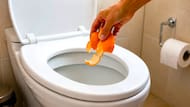
The misunderstanding fuels a practice known as wishcycling: throwing anything into the bin that “seems” recyclable just because it has the triangle. The intention is good, but the effect is the opposite.
By mixing unsuitable materials with recoverable ones, the whole process is contaminated and its treatment becomes more expensive. That is why specialists point out that the correct decision does not depend on the number, but on which materials each local recycling system actually accepts.