
En esta noticia
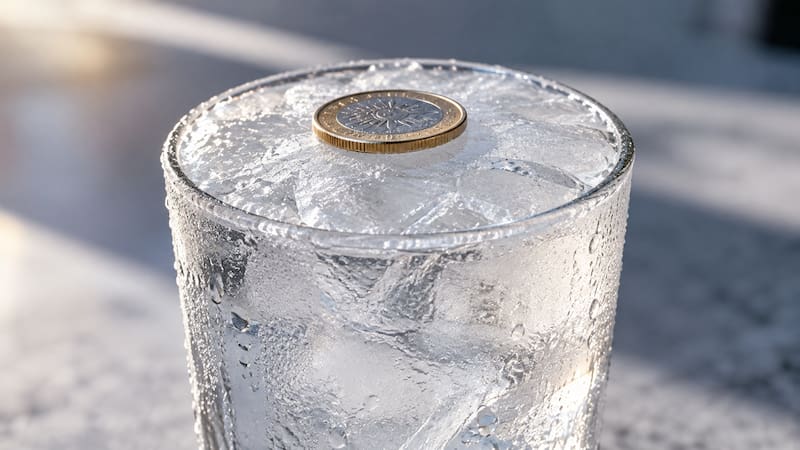
A prolonged power outage can thaw food in the freezer and make it unsafe, even if, when power returns, it seems frozen again. To clear up that doubt, there is a household trick, simple and very common: place a coin on top of a glass of frozen water.
What the freezer coin trick consists of
The method is simple and requires only water and a coin:
- Fill a glass with water and put it in the freezer until it completely solidifies.
- Once frozen, place a coin on top of the ice.
- Put the glass back in the freezer, especially if you are going to be away for several days or if a storm is expected that could cut off electricity.
What does the position of the coin mean
When you return, the coin serves as a witness to what happened while you were gone:
- If the coin stayed on top, on the surface: the freezer kept the cold, and the food remained frozen the whole time. In principle, the food is safe.
- If the coin sank to the middle or bottom of the glass: there was a prolonged power outage. The ice thawed, the coin sank, and then the water froze again with the coin at the bottom. That indicates the food may have thawed, and it should be discarded.
The coin “marks” whether the ice melted at some point, something that is not noticeable at first glance if the power came back before you returned.
What do the official guidelines say about frozen food
The coin trick is a practical aid, but the final decision about the food should be based on food safety recommendations from FoodSafety:
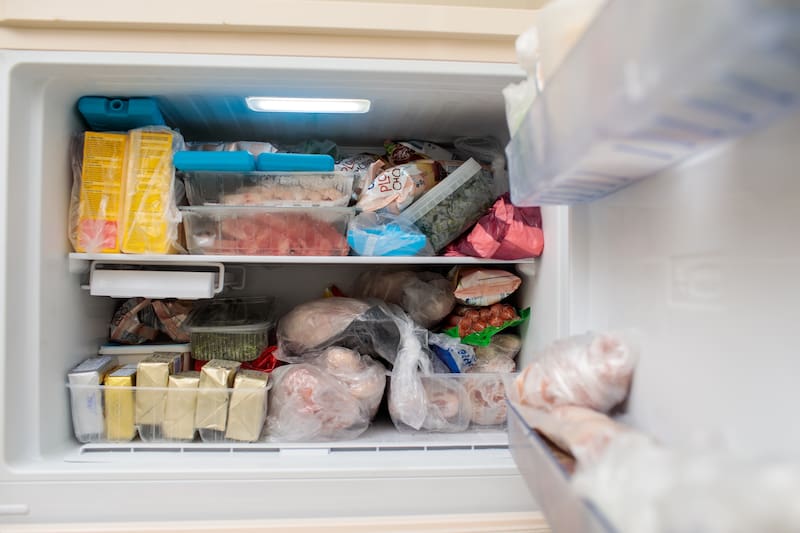
- A full, closed freezer keeps a safe temperature for about 48 hours without electricity; if it is half full, about 24 hours.
- The key is to keep the door closed for as long as possible during the outage.
- As a general rule, foods that still have ice crystals or that were kept at 40 °F (about 4 °C) or lower can be refrozen or consumed.
- When in doubt, the official guideline is clear: if you are not sure, throw it out (“when in doubt, throw it out”).