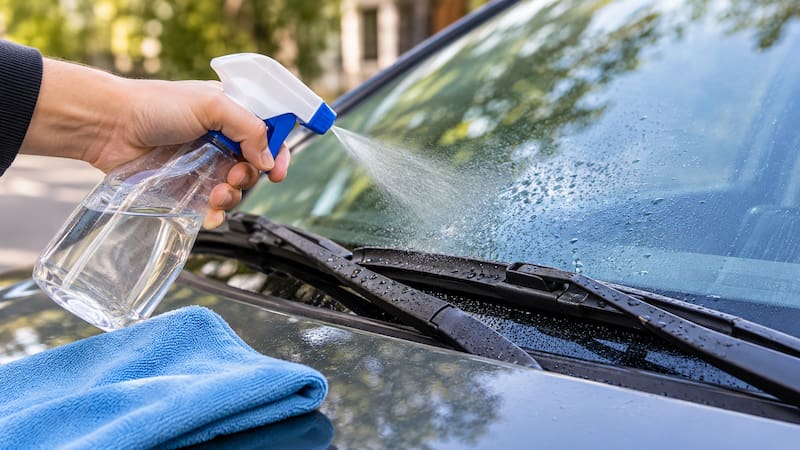

En esta noticia
Wiper blades are essential for maintaining good visibility while driving, especially on rainy days. However, with use, they collect dust, dirt, grease and other debris that can cause noise and leave streaks on the windshield.
To address this problem, there is a DIY trick that calls for using vinegar to clean the rubber blades and remove some of the dirt stuck to them.
Its basis is tied to the chemical properties of acetic acid, one of the main components of this product.


What vinegar does on windshield wipers
White vinegar contains about 5% acetic acid, an organic compound that gives it its acidic properties and its ability to dissolve certain mineral deposits.
According to the American Chemical Society, this substance is effective at removing mineral buildup, such as the stains left by hard water on different surfaces.
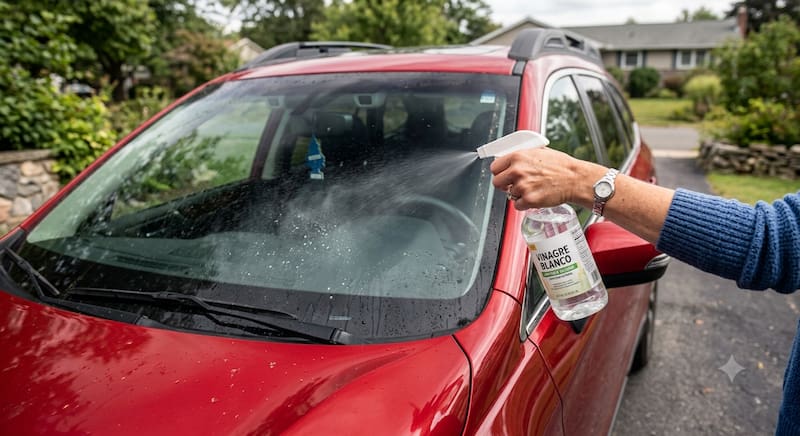
On windshield wipers, it can help loosen some residue and water marks left on the blades. That is why many people use it in a spray bottle mixed with water and vinegar or with a cloth dampened with the mixture.
How to clean car wiper blades
For a basic cleaning, follow these steps:
- Lift the blades: position the wiper arms so you can reach the rubber without forcing them.
- Prepare the cleaner: use a soft cloth dampened with water and vinegar, or a spray bottle with the mixture, and spray the blades.
- Clean the surface: gently wipe the rubber edge to remove dust and built-up residue.
- Remove any remaining residue: use another clean cloth dampened with water to remove any product left behind.
- Check the blades: make sure they have no cracks, warping or hardened areas before using them again.
It is important not to leave cleaning products on the rubber or on the windshield, as they can cause stains or affect visibility.
What other methods do manufacturers recommend for caring for wiper blades?
Some automakers recommend other homemade solutions. For example, Volvo advises washing the wiper blades and windshield regularly with warm water and soap or car shampoo.
HELLA, meanwhile, recommends using water with detergent or all-purpose cleaners that do not contain solvents or alcohol, because certain substances can affect the rubber surface.
Another important point is to avoid applying petroleum jelly, oils or petroleum-based products to the blades. These products can leave residue on the glass and affect how the system works.