
En esta noticia
Kitchen drains can build up food scraps, grease and grime that cause bad odors or slow the flow of water. To solve these problems, there is a homemade method that uses two ingredients everyone has at home.
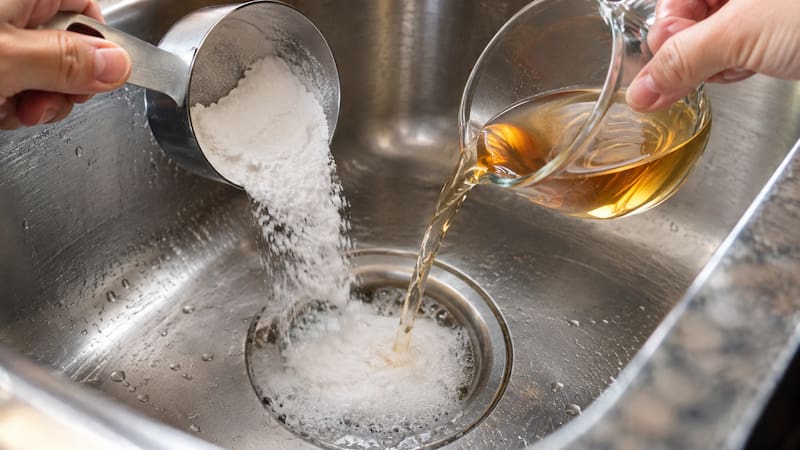
The technique consists of adding half a cup of baking soda along with another half cup of apple cider vinegar. However, before trying it, it is important to understand how this chemical reaction works and what results can be expected.

What does adding half a cup of baking soda and half a cup of apple cider vinegar to the drain do?
The combination of baking soda and apple cider vinegar is used as a homemade method to loosen small debris, reduce bad odors and make drain cleaning easier.
When they come into contact, both ingredients produce an acid-base reaction that releases carbon dioxide and creates bubbles and foam.
This fizzing can help dislodge some of the dirt buildup on the walls of the drain. The method works as a maintenance and light-cleaning alternative, but it does not replace mechanical unclogging methods when there is a persistent blockage.
How should this method be used safely in the kitchen?
To unclog pipes with baking soda and apple cider vinegar, it is recommended to follow these steps:
- Pour in boiling water: pour boiling water directly down the drain.
- Add the baking soda: place half a cup of baking soda in the sink drain opening.
- Add the vinegar: pour half a cup of apple cider vinegar over the baking soda and let the fizzing reaction take place.
- Let the mixture sit: wait 15 to 30 minutes so the foam can help clear the clog.
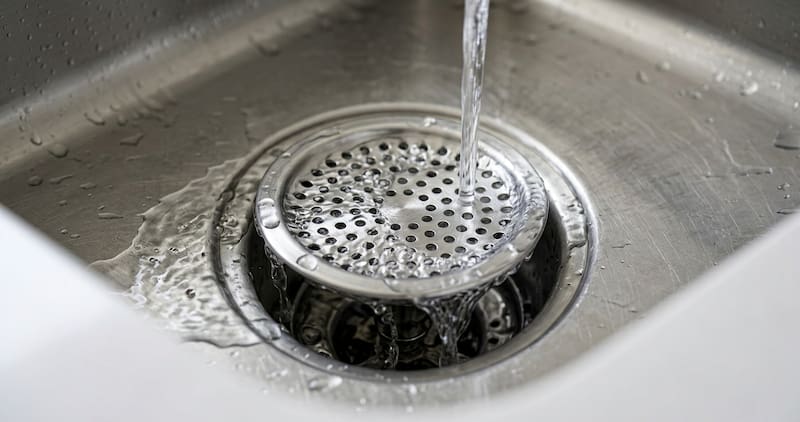
- Rinse the pipes: pour hot water down again to flush away the residue.
If the drain remains clogged, the procedure can be repeated several times before calling a plumber.

What precautions should be taken with these ingredients?
- Do not mix with bleach: vinegar combined with products that contain chlorine can release toxic gases.
- Do not combine with other drain cleaners: avoid mixing the solution with commercial chemical products.
- Do not seal the drain tightly: the reaction releases carbon dioxide and needs a way for the gas to escape.
- Avoid contact with eyes and skin: handle the ingredients carefully to prevent splashes.