
En esta noticia
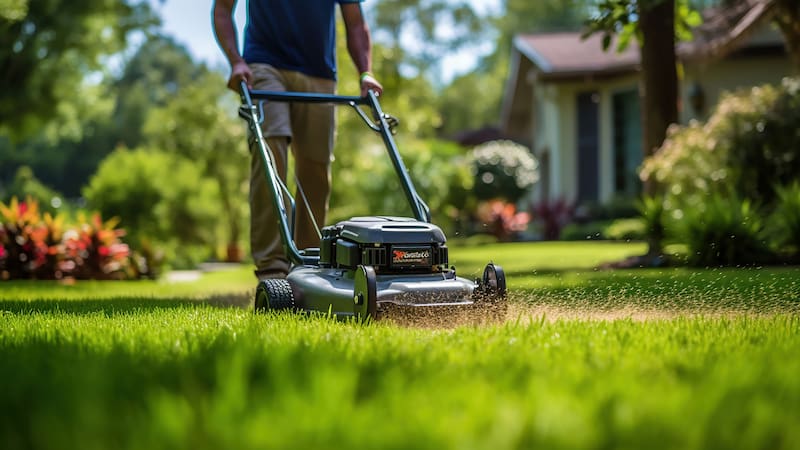
As temperatures drop across the United States, homeowners may need to adjust their lawn care routines. The frequent discussion is whether to lower the lawn mower blade before winter, but the right setting depends on the type of grass and local growing conditions.
Cutting the lawn slightly shorter can help manage fallen leaves and reduce certain winter problems. However, mowing too close to the ground can damage the grass and leave it less able to withstand cold weather.

Should you lower your lawn mower in the fall?
For many lawns, a modest adjustment may be appropriate as growth slows down. Some guidance recommends keeping grass around 2 to 3 inches before winter, although the ideal height varies by species and region.
Cutting the grass too short can weaken the lawn and damage its roots. Keeping it at an appropriate height also helps preserve the leaf surface needed for photosynthesis and healthy root development.
How grass type affects the ideal mowing height
Cool-season grasses, tall fescue, and perennial ryegrass, grow most actively during cooler weather. They may continue to need mowing in the fall, so homeowners should follow the recommended height for their specific grass rather than automatically lowering the blade.
Warm-season varieties slow their growth as temperatures fall and eventually enter dormancy in colder regions. Their ideal mowing height depends on the variety and local climate, so lowering the blade is not always the right choice.
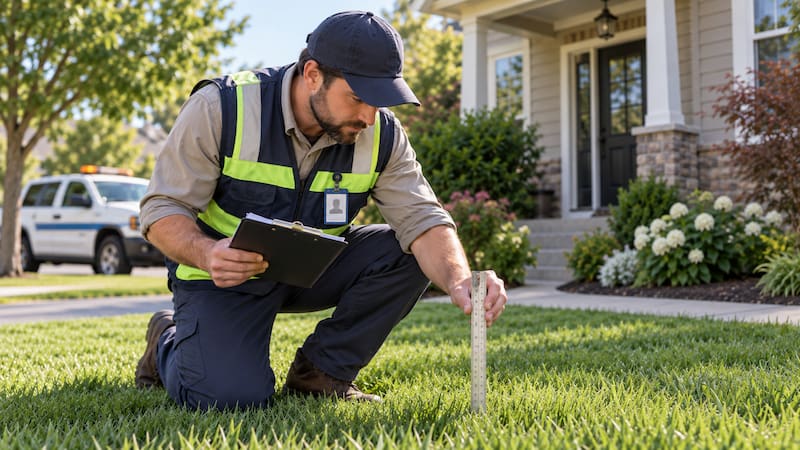
In some cases, maintaining a slightly taller lawn can help retain soil moisture and limit sunlight reaching winter weed seedlings.
When should you stop mowing the lawn?
The end of the mowing season depends on whether the grass is still growing. Cool-season varieties may require cutting later in the fall, while warm-season grasses generally need less attention as they enter dormancy. Once growth has stopped, regular mowing can end until the grass begins growing again.
Avoid mowing when the lawn is frozen or covered in frost. Foot traffic and mower wheels can damage frozen grass, and cutting wet grass can leave clumps that block sunlight from reaching the lawn underneath. Waiting for the grass to dry and the frost to melt helps protect the lawn as winter approaches.