En esta noticia
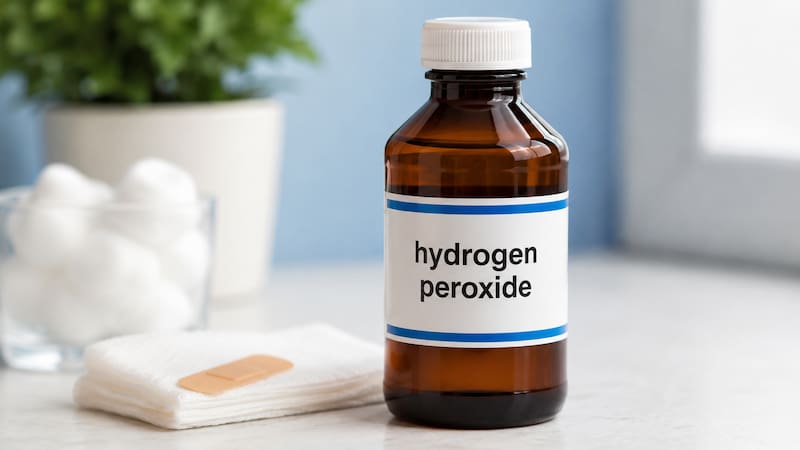
Hydrogen peroxide has long been a staple in home first aid kits, but it is no longer recommended for treating everyday cuts and scrapes.
Although it can kill bacteria, the product may also damage healthy cells that help wounds heal. Instead of speeding up recovery, it can slow the healing process. Here’s why it is no longer used for wounds and where it can still be useful.

Why hydrogen peroxide is no longer recommended for wounds
When hydrogen peroxide is applied to a cut, it releases oxygen and creates the familiar bubbling reaction. While many people see this as a sign that the wound is being cleaned, the solution can also affect healthy tissue that the body needs to repair the injury.
For most minor cuts and scrapes, washing the area with soap and water and keeping it clean is now considered the preferred approach.
What hydrogen peroxide is still good for
Even though it is no longer recommended for routine wound care, hydrogen peroxide still has several practical household uses, including:
- Cleaning and disinfecting hard surfaces.
- Removing blood stains from clothing.
- Sanitizing some household items.
- Helping clean kitchens and bathrooms.
Hydrogen peroxide remains a useful product around the house, but it is no longer the go-to option for treating everyday wounds.