
En esta noticia
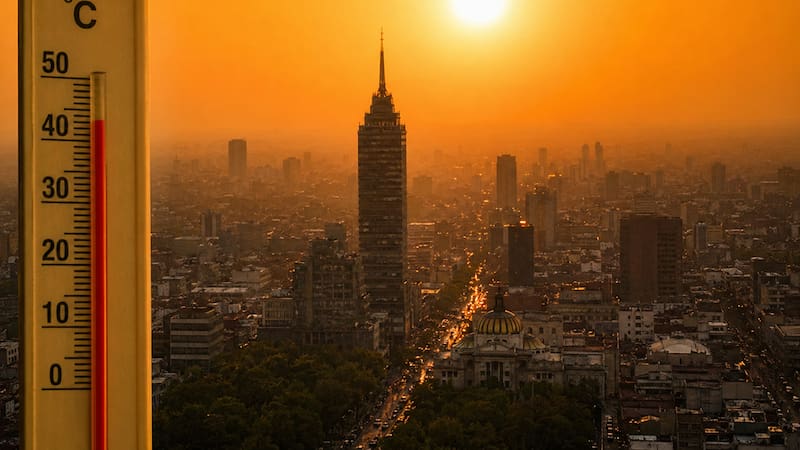
The next five years will be the hottest in modern history. The World Meteorological Organization (WMO) projects that between 2026 and 2030 the planet will repeatedly exceed the 1.5 degrees Celsius threshold set by the Paris Agreement, and that at least one of those years will break the global temperature record set in 2024.
The unprecedented heat wave that scientists warn about will not be an isolated event: it will be the new normal for half a decade.
The report —prepared with 200 simulations from 13 different climate models— establishes a 75% probability that the 2026–2030 global average will exceed that threshold and a 91% chance that at least one year will cross it individually.
Scientists point to 2027 as the year most likely to become the hottest ever recorded, driven by an El Niño phenomenon that could last until 2028.
What does it mean to exceed the 1.5°C threshold for five years in a row?
Crossing 1.5 degrees Celsius is not a symbolic line: it is the point at which climate impacts become significantly more destructive. Every additional tenth of a degree means more deaths from extreme heat, a greater risk of collapse in ecosystems such as coral reefs and glaciers, and greater pressure on food production on a global scale.
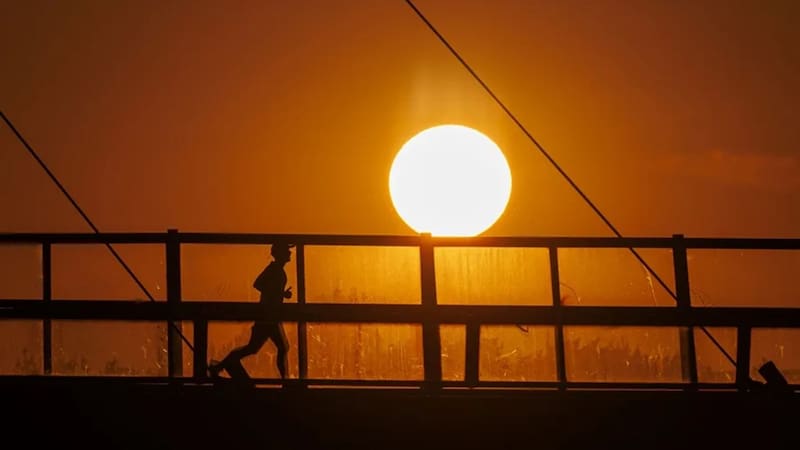
If the five-year average exceeds 1.5°C, it will mean that Earth warmed by a quarter of a degree in a single decade —a faster pace than any previous period. Scientists are debating whether global warming is entering a phase of acceleration, and these projections would lend evidence to those who support that hypothesis.
What is at stake
- Unprecedented extreme events: heat waves, floods, and droughts beyond all historical range
- Shocks in food prices due to climate conditions that exceed what agriculture has faced before
- Loss of lives, especially in populations exposed to sustained extreme heat
Which regions will face the worst effects of the heat wave and drought?
The Arctic will warm at a rate 3.5 times higher than the global average. The next five Arctic winters will be 2.8°C warmer than the recent average, compared with the 1.2°C difference recorded between 2020 and 2025. The accelerated melting of sea ice feeds back into the cycle: less ice means less solar reflection, which raises the temperature even further.
The Amazon basin faces an equally critical scenario. Projections point to warmer and drier conditions, with high risk of wildfires. The greatest danger is that the Amazon —today a carbon sink— could become a net source of emissions if fires intensify. That transformation would worsen the climate problem on a planetary scale and is one of the most worrying scenarios for the 2026–2030 period.