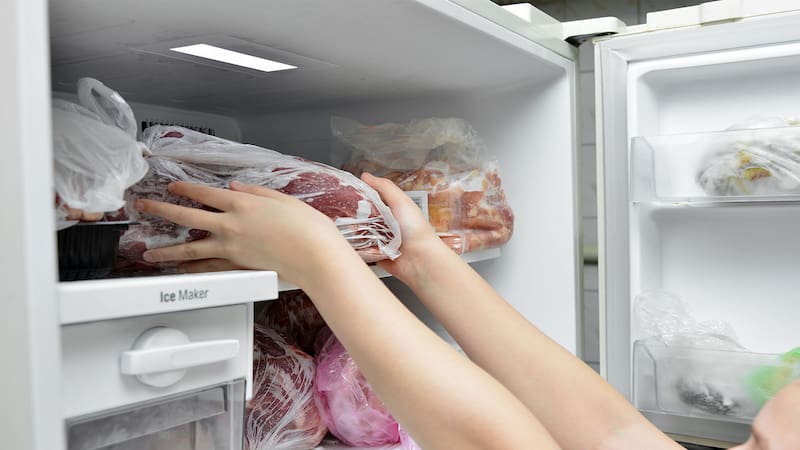

En esta noticia
When buying meat, pork, fish, and deli meats to store, it is not only necessary to consider proper storage of these products to ensure their food safety, but also how long they can be kept in the refrigerator or fridge.
Following expert recommendations when these foods are kept in the refrigerator is necessary to ensure they are fit for consumption. However, if they are stored in the freezer, the advice will only help ensure product quality, but safety will not be a problem if they are kept at an adequate temperature.

Meat, pork, fish, and deli meats: how long can they be stored in the refrigerator
The official website of the United States Government dedicated to food safety states that, in a refrigerator at 4 °C or lower and a freezer at -18 °C or lower, the recommendation is:
Meat, pork, and chicken
- When it is hamburger meat, ground meat, or chicken, 1 to 2 days in the refrigerator and 3 to 4 months in the freezer are recommended.
- If it is fresh beef, lamb, or pork, the advice is 3 to 5 days in the refrigerator and 4 to 12 months in the freezer.
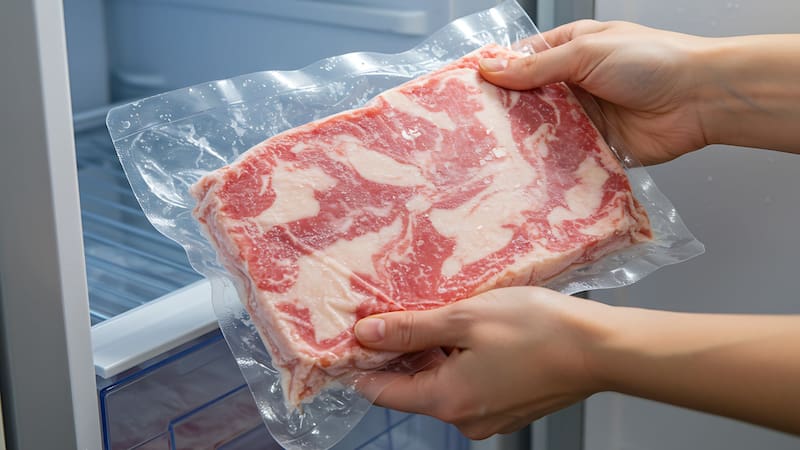
Fish and other seafood products
- Fatty fish: 1 to 3 days in the refrigerator and 2 to 3 months in the freezer.
- Lean fish: 1 to 3 days in the refrigerator and 6 to 8 months in the freezer.
- Fish such as trout or rockfish: 1 to 3 days in the refrigerator and 4 to 8 months in the freezer.
- Crab or lobster: 1 day in the refrigerator, it is not recommended to put them in the freezer.
- Clams, mussels, and oysters in the shell: 5 to 10 days in the refrigerator; it is not recommended to put them in the freezer.
- Crayfish: 3 to 5 days in the refrigerator and 8 to 18 months in the freezer.
- Clams, mussels, and oysters without the shell: 3 to 10 days in the refrigerator and 3 to 4 months in the freezer.
- Squid: 1 to 3 days in the refrigerator and 6 to 18 months in the freezer.
Deli meats
- Opened packages: 3 to 5 days in the refrigerator, 1 to 2 months in the freezer.
- Unopened packages: they can remain two weeks in the refrigerator and 1 to 2 months in the freezer.
Essential information about food refrigeration that everyone should know
The Food and Drug Administration (FDA) explains that it is essential to keep the refrigerator regularly clean and to clean up any spill as soon as possible to prevent the growth and spread of bacteria.
In addition, it advises always storing refrigerated foods covered and eggs in their carton inside the refrigerator, rather than in the door.