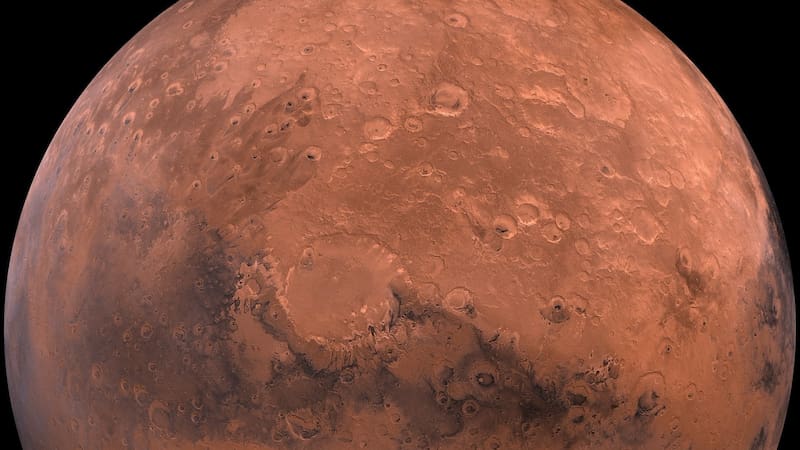

On September 30, 2026, the Red Planet began its 38th year according to the Martian calendar, marking the start of another orbit around the Sun. The European Space Agency (ESA) said the new year began at 11:43 UTC.
Unlike Earth, however, a year on Mars lasts almost twice as long. The planet needs 687 Earth days to complete one orbit around the Sun, meaning a Martian year lasts about 1.88 Earth years.

Why does Mars have its own calendar?
The Martian calendar is based on the planet’s movement around the Sun and its seasons. The beginning of a new Martian year coincides with the northern spring equinox, when spring begins in Mars’ northern hemisphere, and autumn begins in its southern hemisphere.
The current system for numbering Martian years dates back to 1955. That year was designated as the beginning of the first Martian year after a major global dust storm observed on the planet in 1956.
Mars also has four seasons, like Earth, but they do not all last the same amount of time. Because Mars follows a more elliptical orbit around the Sun, its seasons vary in length.
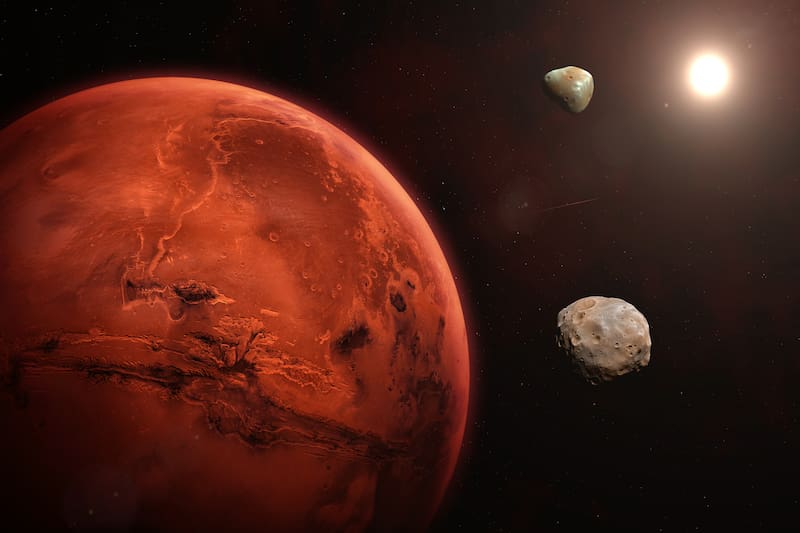
How long is a day on Mars?
A Martian day, known as a sol, is surprisingly similar to an Earth day. It lasts approximately 24 hours and 39 minutes, just over half an hour longer than a day on Earth.
The difference becomes much larger when measuring a full year. While Earth completes its orbit in about 365 days, Mars needs 687 Earth days. For someone living on Mars, birthdays and other annual events would therefore occur much less frequently than they do on Earth.
The next Martian New Year will not arrive until August 17, 2028, according to ESA’s calendar.