
En esta noticia
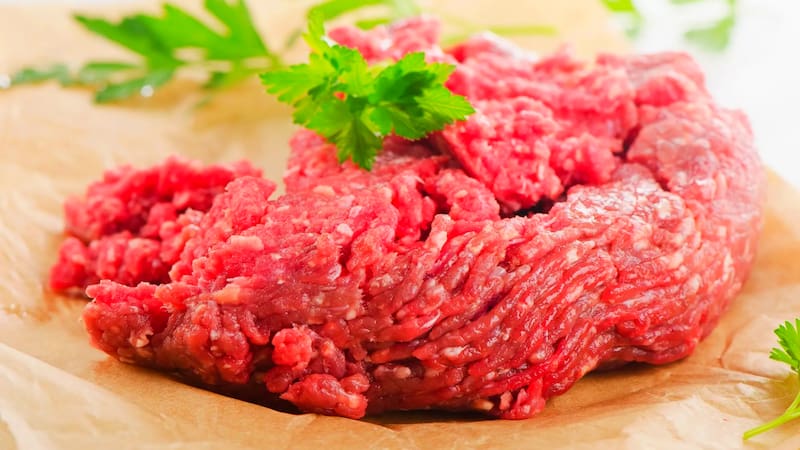
Ground meat is one of the cuts most chosen by gastronomy lovers and also one that requires great care when used for cooking, according to experts.
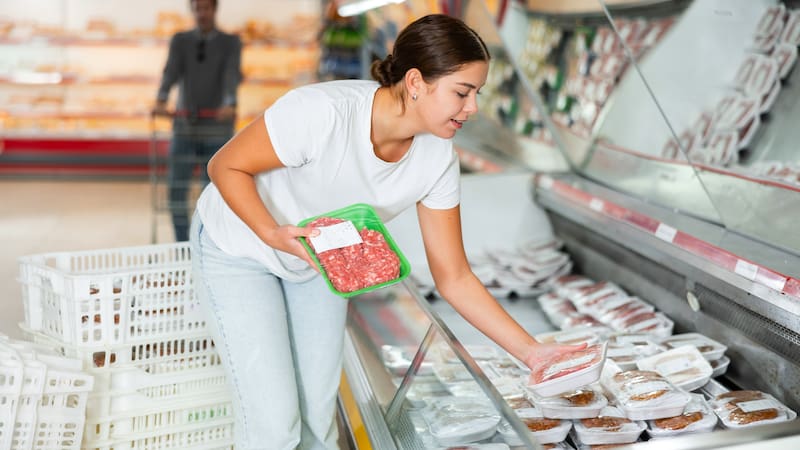
When choosing a tray in supermarkets, there are key differences that should be known to make an informed purchase, as well as recommendations on how to handle this type of meat.
The Food Safety and Inspection Service (FSIS) of the United States Department of Agriculture (USDA) explains that, although any food can contain pathogenic bacteria, grinding the meat allows them to be distributed throughout the product, which increases the risk of illness if the necessary precautions are not taken.

Buying ground meat: what you need to know before choosing a tray
The first point to consider is that meat labeled as “Hamburger” and that presented as “Ground Beef” are not the same: USDA explains that in the first case fat from the cow may be added to the product -although a maximum of 30% is allowed- while in ground beef trays this practice is prohibited.
“Both ground meat and ground meat may contain seasonings, but no water, phosphates, extenders, or binders are added,” it says.
In addition, to ensure that the product being purchased was inspected by the USDA, you must verify that the package shows the establishment number, presented as “EST” followed by the corresponding numerical combination.
Buying recommendations
In addition to the above considerations, it is recommended:
- Choose a tray that feels cold and is not broken
- Place the package in a plastic bag to avoid any incident with leaks
- Look for the product as one of the last steps of shopping
- In the cart, keep the tray separate from already cooked products
- Place it in a separate bag when transporting it
What are the risks of ground meat
The agency specifies that bacteria such as Salmonella, Escherichia coli, Campylobacter jejuni, Listeria monocytogenes, and Staphylococcus aureus are present in foods of animal origin.
Grinding makes it easier for them to spread throughout the meat. In addition, the University of Connecticut explains that certain cuts are tenderized, a process in which needles are used that can transfer bacteria from the surface to the inside of the meat.
How to store ground meat properly
The general advice based on FSIS recommendations is to refrigerate or freeze the meat as soon as possible after purchase, since this can help not only preserve the product but also slow bacterial growth.
If it is placed directly in the refrigerator to be consumed, the recommended temperature is 4.4 °C -or less- and use it within no more than 48 hours.
If frozen, the advice is to consume it within no more than 4 months, although it is clarified that ground meat can be safe for consumption indefinitely if kept in the freezer.

How to thaw ground meat and at what temperature to cook it to avoid illness
The agency explains that keeping ground meat cold while it thaws is an essential point to prevent bacterial growth and, for this reason, the safest way to do it is to move it from the freezer to the refrigerator. If it is thawed in the microwave, it must be consumed immediately afterward.
Once all the recommendations detailed above have been followed, the most important point for destroying any pathogen is the cooking temperature, which must be at least 71 °C.
When does a tray of ground meat stop being fit for consumption?
The Food and Drug Administration (FDA) of the United States shared a clear rule to identify this moment, whether with ground meat or any other perishable food: if it remained at room temperature for 2 hours or more, it is no longer safe to consume.