
En esta noticia
The classic scent of citrus, pine or lavender in a house is usually associated with a disinfected and safe space. However, a recent experiment by Purdue University warns of an invisible health risk.
When using scented cleaners in search of the traditional “smell of clean”, the chemical compounds react with ozone in the air and release invisible nanoparticles that manage to penetrate deep into the lungs, generating respiratory exposure comparable to that on a heavily trafficked highway.

The hidden danger behind the “smell of clean”
According to the ACS study, the phenomenon behind this indoor pollution occurs when aromatic substances known as terpenes, present in conventional and botanical products, evaporate after spraying or cleaning surfaces.
Among the most common compounds are:
- Limonene: characteristic of citrus cleaning scents.
- Pinene: associated with the classic pine smell.
- Linalool and thymol: associated with lavender and thyme.
When they come into contact with ambient ozone, these elements trigger immediate chemical reactions that form billions of ultrafine particles ranging from one to 30 nanometers within minutes.
What real risks exist for the human respiratory system?
Because of their tiny size, these nanoparticles manage to evade common home air-quality monitors and escape the body’s upper defensive barriers.
When they settle in the deep airways and lungs, they can increase irritation, inflammation and even reach the bloodstream, turning a cleaning routine into a source of invisible pollution.
How was this invisible pollution phenomenon discovered?
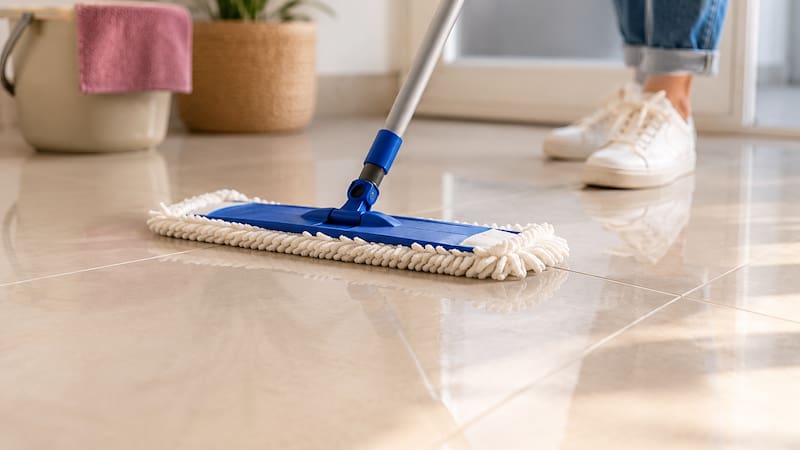
The Purdue University experiment was carried out in a “tiny house” equipped with a kitchen, bathroom and wooden floors. The researchers evaluated conventional liquids, sprays and botanical disinfectant wipes
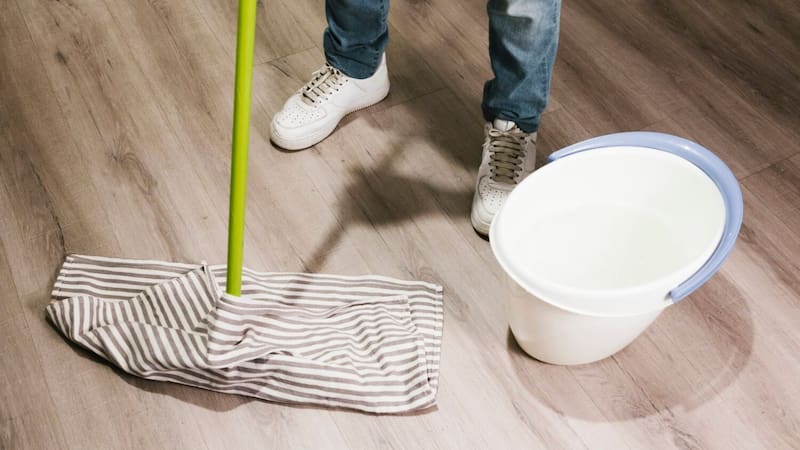
By simulating everyday tasks such as mopping, spraying countertops and wiping surfaces, advanced sensors measured air quality in real time. The study showed that, within minutes, the interaction between fragrance terpenes and indoor ozone generates billions of ultrafine nanoparticles (1 to 30 nanometers).
The simultaneous use of far-UV-C germicidal lamps was also tested: by generating ozone artificially, these devices dramatically intensified the massive formation of pollutant particles.
What measures can be taken to safely clean the home?
To avoid exposure to these ultrafine particles without neglecting disinfection against viruses and bacteria, experts recommend applying simple preventive strategies:
- Choose fragrance-free products: prioritize cleaners free of perfumes or with a low fragrance concentration
- Avoid saturation: do not combine multiple scented items in the same cleaning session
- Ventilate properly: open windows or turn on exhaust fans to encourage the circulation and dispersion of chemical compounds
- Be careful with ozone devices: do not clean while using devices that generate ozone, such as far-UV-C germicidal lamps, since this dramatically increases nanoparticle formation.