

By Pedro Bianco
En esta noticia
For a permanent resident who wants to become a U.S. citizen, taxes can be an unexpected obstacle. U.S. Citizenship and Immigration Services (USCIS) has tightened how it evaluates the “good moral character” of naturalization applicants and has put the focus on tax compliance: owing money to the IRS can work against applicants and, in some cases, stall a citizenship application.

Financial and tax behavior is closely reviewed for citizenship
The starting point is a USCIS policy update from August 2025 that changed how the “good moral character” requirement for naturalization is assessed.
The agency adopted a “totality of circumstances” approach: instead of simply checking whether certain specific red flags are absent, officers now weigh positive and negative factors in the applicant’s life as a whole. And within that review, financial and tax behavior is under the microscope, with a more detailed examination than before.
Filing tax returns and staying current with the IRS is a positive factor, while failing to file or owing money without resolving it can count against a person seeking naturalization. In fact, the citizenship application (Form N-400) specifically asks about tax obligations.
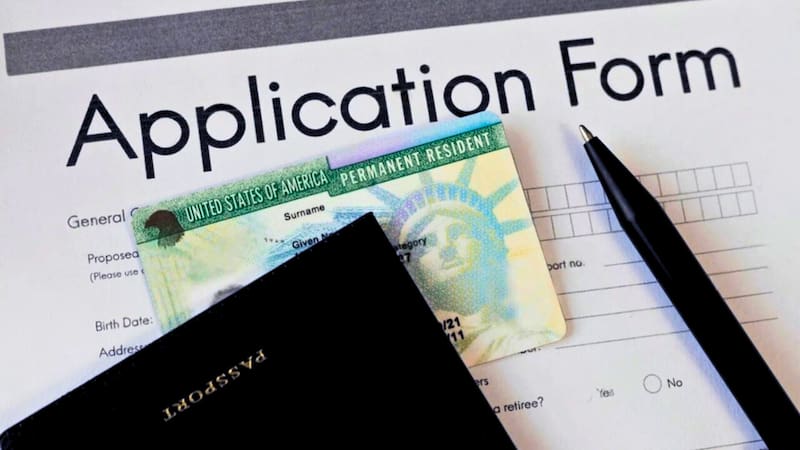
Who could see their citizenship application stalled?
Owing taxes is not, by itself, an automatic and permanent bar to citizenship. It does not work like the so-called categorical bars, which include, for example, certain criminal convictions. Instead, it is a negative factor that the officer weighs under the totality of circumstances.
However, one thing can carry as much weight as the debt itself: transparency. Hiding a tax debt, lying about it, or failing to file returns can be more damaging than simply owing the money, because it directly affects the moral character review. Being honest about the situation and showing that it is being addressed works in the applicant’s favor; hiding it can lead directly to a denial.