
En esta noticia
The Internal Revenue Service (IRS) can garnish up to 15% of certain monthly Social Security retirement payments to collect overdue federal taxes. The measure is carried out through the Federal Payment Levy Program (FPLP), authorized by Section 6331(h) of the Internal Revenue Code.
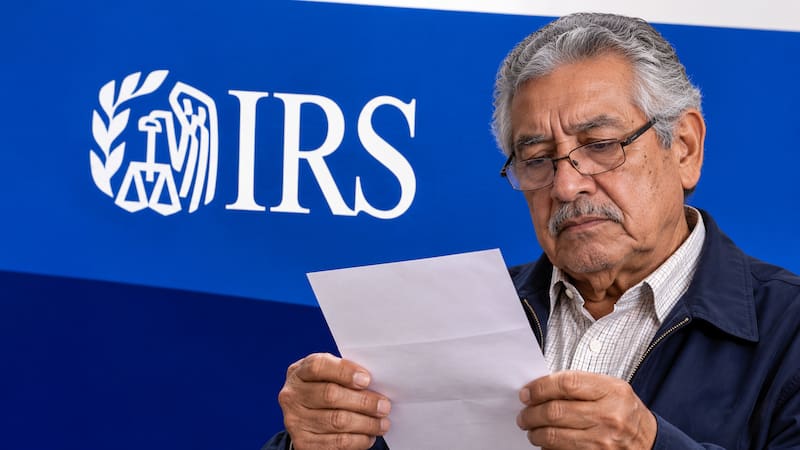
If a taxpayer receives the CP91 notice, the IRS is informing them that it plans to impose a levy on their Social Security benefits. From the date shown on the notice, they have 30 days to make payment arrangements before the agency begins withholding money from their monthly benefit.

How much can the IRS withhold from Social Security retirement benefits
The withholding can reach up to 15% of the monthly payment subject to the levy. If the outstanding debt is less than that percentage of the payment, only the amount owed can be withheld. The levy can continue on future payments until the debt is paid off or another arrangement is made to settle it.
The program covers certain Social Security retirement and survivor benefits. Supplemental Security Income (SSI) payments are excluded from this process. The IRS also excludes certain taxpayers whose income falls within the levels set by the program.

What to do if you receive the CP91 notice
The IRS recommends reading the notice and contacting the agency at the number listed in the letter. If the taxpayer can pay the full amount owed, they can settle the debt. If they cannot pay it all at once, they can request a payment plan. The IRS also provides information on the option to request a temporary suspension of collection because of financial hardship.
The Social Security Administration (SSA) cannot stop the levy or resolve the tax debt. Questions about the CP91 notice and payment options should be directed to the IRS.