
En esta noticia
With the entry into force of the Section 221 (g)(3) of the Immigration and Nationality Act (INA) in October and in accordance with the updates made by the authorities, citizens of 38 countries will have to pay a bond before applying for a visa under the B1/B2 categories.
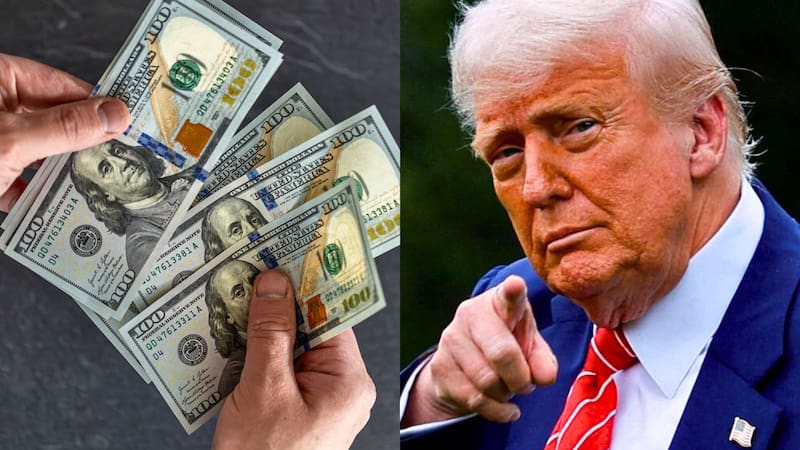
This “visa bond” is a payment with the possibility of refund that is made before obtaining the document and that, as determined by the consular officer, can be up to 15,000 dollars.

Why could the United States refund up to 15,000 dollars to these foreigners?
As detailed by the State Department in an official statement, this measure applies to countries that have “visa overstay rates”, that is, whose citizens remain in the country longer than allowed by the authorities.
In that sense, nationals who want to travel with a passport from any of these countries will have to pay during their visa interview a bond of 5,000, 10,000 or 15,000 dollars, as indicated by the officer.
“The full amount of the visa bond will be returned if the applicant complies with all the terms of their nonimmigrant visa status and the visa bond”, authorities indicate.

Countries subject to this new U.S. measure
With the implementation dates detailed in parentheses, the countries affected by this policy are
- Algeria (January 21, 2026)
- Angola (January 21, 2026)
- Antigua and Barbuda (January 21, 2026)
- Bangladesh (January 21, 2026)
- Benin (January 21, 2026)
- Bhutan (January 1, 2026)
- Botswana (January 1, 2026)
- Burundi (January 21, 2026)
- Cape Verde (January 21, 2026)
- Central African Republic (January 1, 2026)
- Ivory Coast (January 21, 2026)
- Cuba (January 21, 2026)
- Djibouti (January 21, 2026)
- Dominica (January 21, 2026)
- Fiji (January 21, 2026)
- Gabon (January 21, 2026)
- Gambia (October 11, 2025)
- Guinea (January 1, 2026)
- Guinea-Bissau (January 1, 2026)
- Kyrgyzstan (January 21, 2026)
- Malawi (August 20, 2025)
- Mauritania (October 23, 2025)
- Namibia (January 1, 2026)
- Nepal (January 21, 2026)
- Nigeria (January 21, 2026)
- Sao Tome and Principe (October 23, 2025)
- Senegal (January 21, 2026)
- Tajikistan (January 21, 2026)
- Tanzania (October 23, 2025)
- Togo (January 21, 2026)
- Tonga (January 21, 2026)
- Turkmenistan (January 1, 2026)
- Tuvalu (January 21, 2026)
- Uganda (January 21, 2026)
- Vanuatu (January 21, 2026)
- Venezuela (January 21, 2026)
- Zambia (August 20, 2025)
- Zimbabwe (January 21, 2026)
It is important to note that many of them are currently undergoing a temporary suspension for visa processing, so their citizens will not be considered eligible. The application details and territories with a partial freeze on the document can be consulted by clicking here.
When will the United States issue the refund?
The terms that must be respected are specified in the Form I-352 and in the bond form. Thus, particularly the refund will take place when
- The visa holder leaves the United States before or on the corresponding date
- The holder does not make the trip
- The holder applies and is denied admission at the port of entry

Additional information about this measure
As a condition of the measure, travelers from the aforementioned countries must enter and leave the country only through the following airports
- Boston Logan International Airport (BOS) (August 20, 2025)
- John F. Kennedy International Airport (JFK) (August 20, 2025)
- Washington Dulles International Airport (IAD) (August 20, 2025)