
By Pedro Bianco
En esta noticia
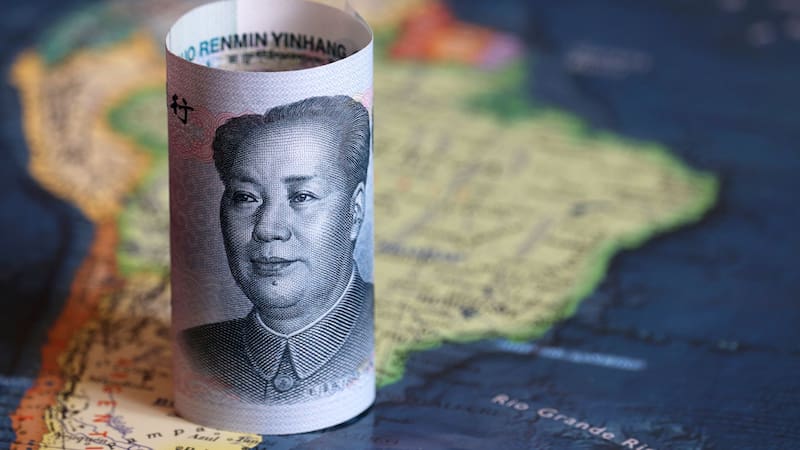
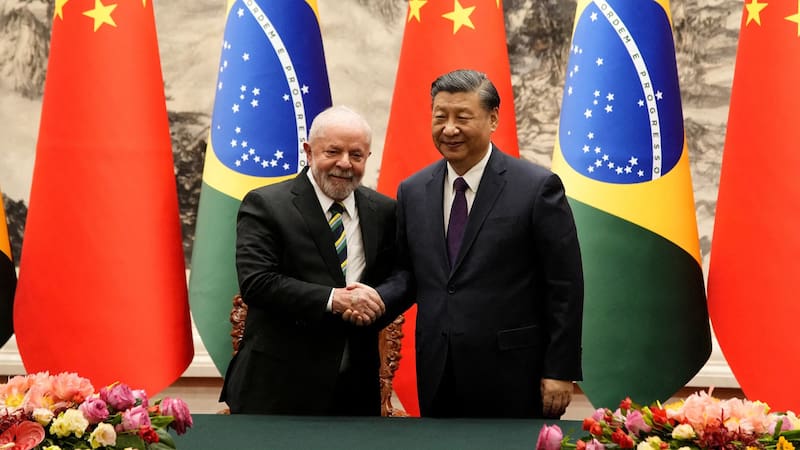
Two of the world’s largest economies agreed to do business without the dollar in the middle. China and Brazil, Latin America’s largest economy and top-tier trading partners, sealed an agreement to conduct trade and financial transactions directly in their own currencies, the yuan and the real, without using the U.S. currency as an intermediary. It is a concrete step in the global trend of de-dollarization.

China and Latin America’s largest economy trade in their own currencies
The agreement, sealed in 2023, allows companies and entities in China and Brazil to carry out trade and financial transactions by converting yuan directly into reais (and vice versa), without first having to go through the dollar.
Until then, as in much of global trade, a transaction between the two countries usually meant converting the local currency into dollars and only then into the other currency. The deal removes that middle step for those who choose to operate that way.
For years, China has been Brazil’s top trading partner, with annual trade topping well over $150 billion. That scale is precisely what makes the agreement significant: These are not two marginal economies, but a global trade flow of first order.
How it works
To make trade in local currencies possible, the necessary financial infrastructure was put in place. Clearing banks in yuan were authorized in Brazil, entities allowed to process transactions in Chinese currency, and Brazil joined China’s interbank payment system (known as CIPS), which allows transactions in yuan to be settled outside dollar-dominated channels. In practice, that financial pipeline is what allows a company to pay or collect directly in yuan or reais.
The backdrop: de-dollarization and the BRICS
The agreement cannot be understood in isolation. It is part of a broader trend known as “de-dollarization”: a group of countries, especially the BRICS bloc, which includes China and Brazil, that seek to do more and more trade in local currencies to rely less on the dollar.
The dollar’s share of global reserves has been gradually declining, although it remains by far the dominant currency. The agreement between China and Brazil is one of the most visible pieces of that movement in Latin America.