En esta noticia
In the second week of June, the Department of Agriculture of United States reported that at least three cattle in Texas were infected with a parasite thought to have already been eradicated. It is the one known as the screwworm, an organism that feeds on living flesh.
This infection comes to hit an industry that was already going through a rough patch due to prolonged droughts that affected agriculture and, consequently, livestock raising because of higher feed costs.
This crisis, together with the increase driven by gasoline prices in the United States due to the conflict in the Middle East, pushed this industry into a crisis in which the government evaluated a temporary suspension of taxes on imports of foreign meat.

The screwworm: What is the parasite that was believed to have been eradicated for 66 years?
According to the United States Department of Health and Human Services (HHS), the danger of this parasite goes beyond its possible consequences for the industry, since the first human case was detected in Maryland.
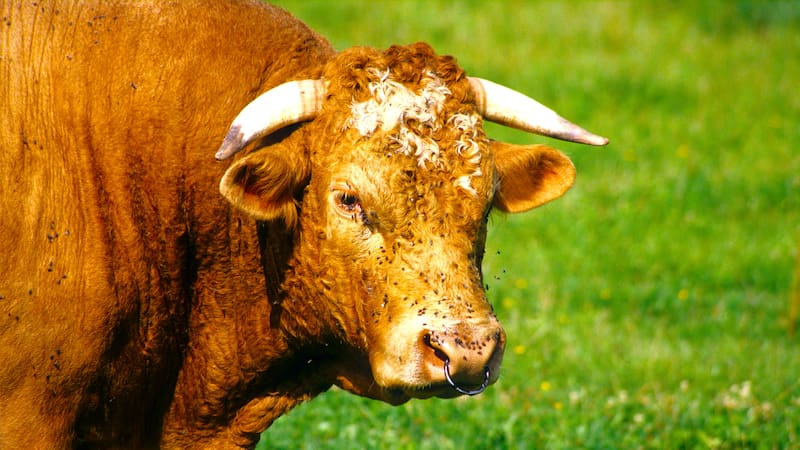
This parasite is caused by a fly whose larvae feed on living tissue, usually livestock. The name comes from the mechanism used by the organisms to penetrate the skin: it causes large and often fatal lesions that can end in tissue necrosis due to its rapid progression if not detected in time.
The HHS confirmed that the only confirmed case is already in good condition, and that the risk within the United States is low, so an escalation in contagion is ruled out.
When the larvae manage to get under the skin, they feed on living tissue. This can cause inflammation, fever, severe pain, and a bloody discharge. The condition worsens over time and can lead to the infected person’s death.

Rising meat prices: Why can this parasite impact the livestock industry?
Experts warn that meat prices could remain high due to this event, since it occurred at a sensitive and unstable moment for the livestock industry.
If screwworm cases in cattle increase, prices could soar at the wholesale level, although increases for the average consumer would come gradually. These increases would occur because labor and medications for ranchers would become more expensive.