
En esta noticia
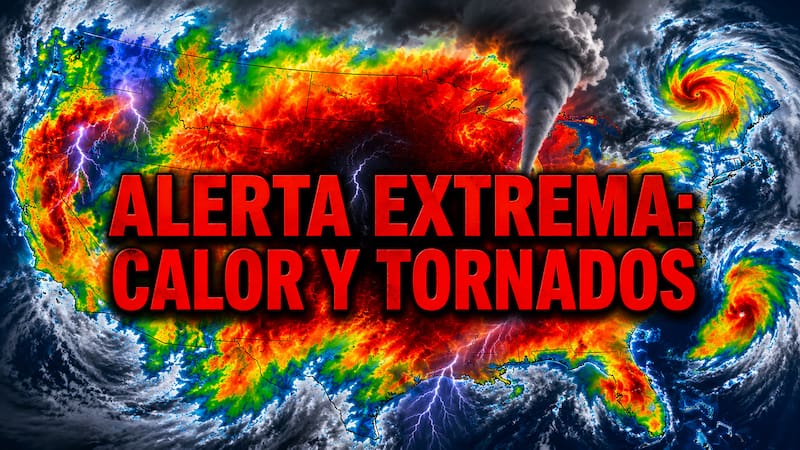
A new weather threat is moving over the United States and keeps millions of people on alert. While much of the country is experiencing a record heat wave, the advance of storm systems increases the risk of destructive winds, hail, flash flooding, and even tornadoes in several regions.
According to specialists' forecasts, more than 260 million residents will be exposed to potentially dangerous weather conditions during the long July 4 weekend, one of the year's busiest dates for travel and outdoor activities.
Which states will be under alert for the record heat wave?
Weather models anticipate that the Northeast, the Mid-Atlantic, parts of the Midwest, and part of the South will continue to record temperatures far above average for this time of year.
Among the areas most affected are cities such as New York, Philadelphia, Washington D.C., Baltimore and other major urban centers, where the combination of heat and humidity will significantly raise the feels-like temperature.
Experts warned that older adults, children, people who work outdoors, and those who suffer from heart or respiratory diseases make up the groups at greatest risk from these conditions.
Tornadoes and severe storms: the other phenomenon worrying meteorologists
While extreme heat dominates much of the eastern part of the country, a very unstable air mass will favor the development of severe storms capable of generating:
- Isolated tornadoes.
- Strong wind gusts.
- Large hail.
- Heavy rainfall with a risk of flash flooding.
Specialists explain that these storms can intensify rapidly, so they recommend following the warnings issued by the National Weather Service (NWS) and having a shelter plan in case of emergency.
How long will this climate threat continue in the United States
Although some regions could begin to experience a slight drop in temperatures starting Sunday, July 6, meteorologists warned that until then the atmospheric pattern will continue to favor episodes of intense heat and storms in different parts of the country.
For that reason, they recommend closely following the evolution of the official forecasts during July 4, 5, and 6, since the location and intensity of the phenomena could change as the weather system advances.