En esta noticia
The evolution of artificial intelligence technologies has made some of the brightest minds on the planet rethink the way society will be in a few years. And in that route, one of the most intense debates is what will happen with the job market.
While some executives warn about massive layoffs and others remain skeptical, a few of Silicon Valley’s most influential voices are making bold predictions about the future of work. One of them is Vinod Khosla.
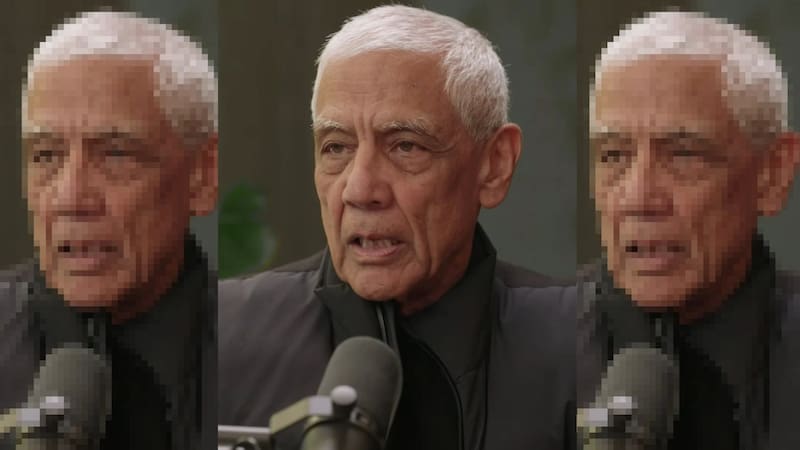
In an interview on Fortune’s Titans and Disruptors of Industry podcast, the billionaire investor questioned one of the most repeated pieces of career advice in the middle of a reflection about the future of jobs. “‘Follow your passion’ comes second to surviving,” he said.
Why Vinod Khosla thinks surviving comes first to following your passion for now
For Khosla, the problem isn’t passion itself but the reality most young people face. They need to earn a living before they can choose what they love. That, he believes, is about to change.

“Fifteen years from now, you will say—what is bad advice today or used to be … ‘Follow your passion,’” Khosla said. “I think that surviving part will go away, and you’ll tell every 5-year-old kid, ‘Follow your passion.’”
Vinod Khosla’s prediction on the future of the job market
According to Khosla’s prediction, AI will be able to perform “80% of all jobs,” from doctors to salespeople. “It’s pretty unlikely a 5-year-old today will be looking for a job,” he said.
“The need to work will go away. People will still work on the things they want to work on, not because they need to work.” Khosla also thinks this transition would be much easier for the younger generation than older people.
He thinks that without the need to work, the coming generations will have more time to focus on what matters to them and expansive ideas of what their passions could be.
Khosla also believes most degrees will no longer be required to get a job: “You won’t even need the engineering degree, except if your passion is learning.”
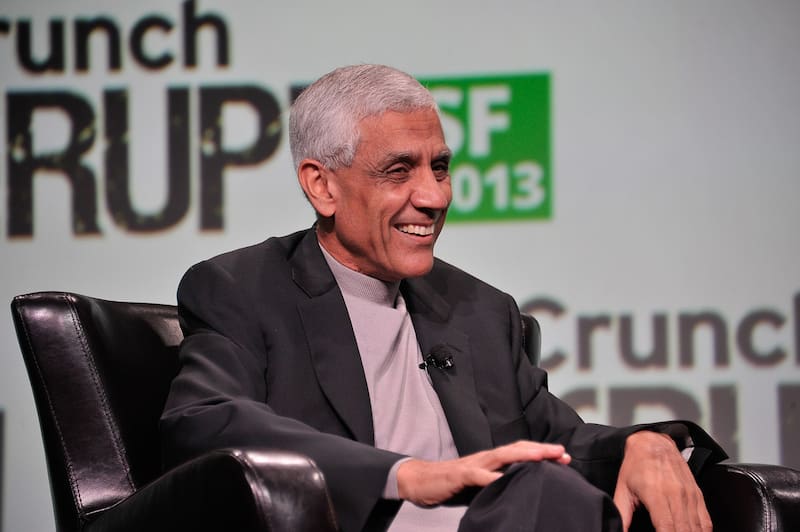
Who is Vinod Khosla
Born in India, Khosla studied engineering at the Indian Institute of Technology Delhi before moving to the United States, where he earned a master’s degree at Carnegie Mellon University and an MBA at Stanford.
In 1982, he co-founded Sun Microsystems, and in 2004 he founded the venture capital firm Khosla Ventures, which in 2019 became one of OpenAI’s first institutional investors.
His fortune, however, came mainly from investing. In 1986, Khosla joined the venture capital firm Kleiner Perkins, where he backed internet infrastructure companies before they became giants.
One of his best-known bets was Juniper Networks: a $3 million investment earned Kleiner Perkins about $7 billion, according to The Wall Street Journal.
@fortune OpenAI investor Vinod Khosla, a vocal Trump critic, said he “mostly” agreed with President Trump’s approach to AI and China, even though he disagreed with most of the administration’s other policies. In a new episode of Fortune 500: Titans and Disruptors of Industry, Fortune Editor-in-Chief Alyson Shontell sat down with Khosla to learn about his beliefs for future policy, and what the U.S. needs to do to win the global AI race. Click the link in our bio to watch the full conversation. #AI #Trump #news #tech #China ♬ original sound - Fortune Magazine