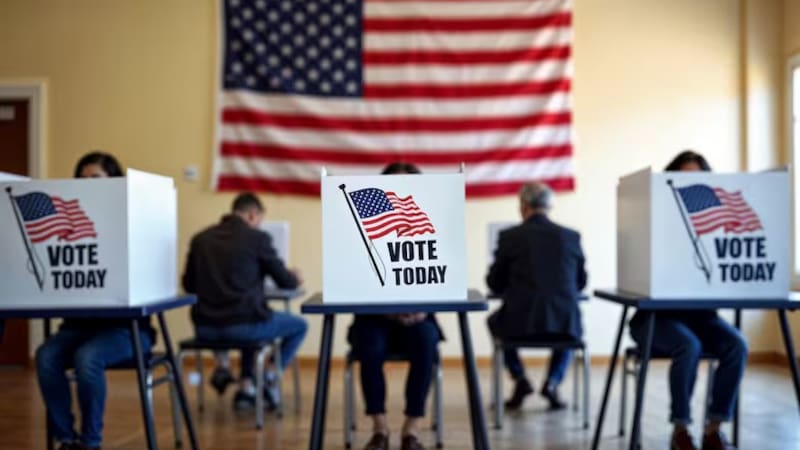

The term “swing state” is commonly used in US politics to describe a state where support for the major parties is relatively competitive. These states can receive particular attention during elections because relatively small changes in voter support can affect which party wins.
The term is not an official category used by the federal government. The term “2026 midterms” is generally used to describe states with closely contested congressional races, particularly in US Senate elections, where candidates compete statewide.

What are swing states?
A swing state, also called a “battleground state,” is generally a state where neither major party has a consistent advantage in recent elections. The Congressional Research Service has used the term “swing” or “battleground” for states that are closely divided in party support or have other characteristics that can make them important in an election.
Unlike presidential elections, however, the 2026 midterms do not use the Electoral College. USAGov explains that congressional elections determine which candidates represent each state in Congress and which party holds the majority in each chamber.
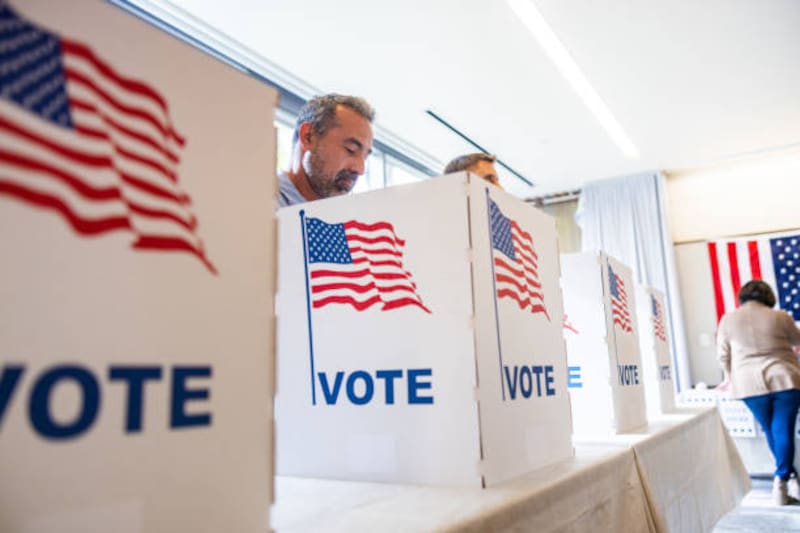
Why could swing states matter in the 2026 midterms?
The 2026 midterm elections will take place on November 3, 2026. Every seat in the House of Representatives and one-third of the Senate seats will be up for election.
Competitive states can therefore receive significant attention because Senate races are decided statewide, while House elections are decided by individual congressional districts. The results of these races will determine which party holds the majority in each chamber of Congress for the following two years.