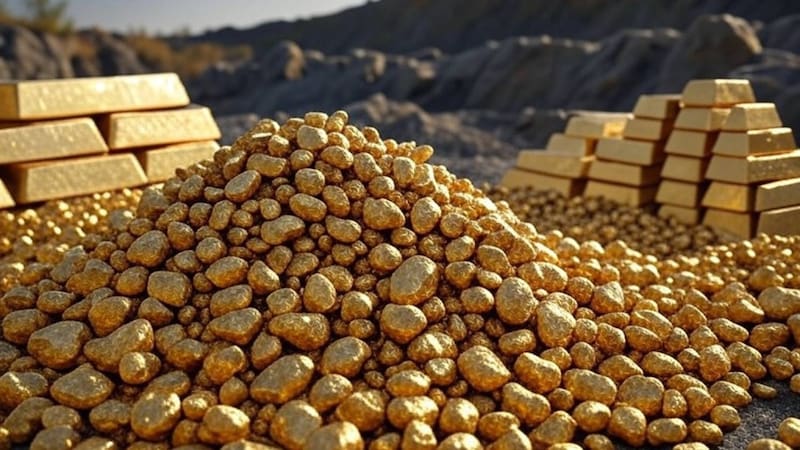
Ghana became the new global gold powerhouse. The African country produced 6 million ounces of the precious metal in 2025, a 21% increase from the previous year, consolidating itself as the largest gold producer in Africa.
Ghana’s gold exports generated nearly US$20 billion in 2025, almost double the US$10.3 billion recorded in 2024, according to data from the Bank of Ghana. The metal far surpassed cocoa and oil as the country’s main source of foreign currency, completely transforming its economic position.

Why did Ghana become the Saudi Arabia of gold?
Artisanal and small-scale mining generated about 3.1 million ounces, surpassing industrial mining for the first time, which contributed 2.9 million ounces. The leap was made possible by sector formalization reforms and the sustained rise in the international price.
The mining sector accounted for more than 68% of Ghana’s total exports in 2025, consolidating itself as the main engine of the country’s foreign-currency generation. By 2026, the government projects reaching 6.5 million ounces produced.
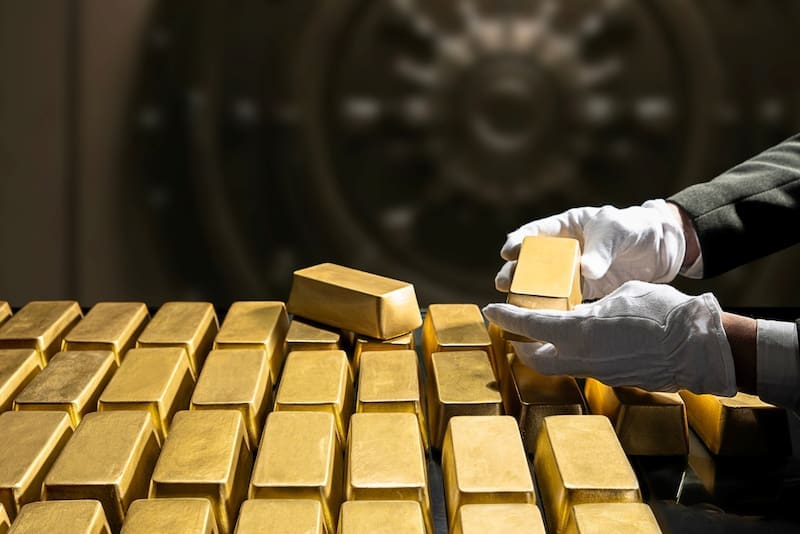
The mines driving the country
The main operations are concentrated in the Obuasi, Tarkwa and Akyem regions, with companies such as AngloGold Ashanti, Gold Fields and Newmont as key players. Projects like Ahafo South have already surpassed 10 million cumulative ounces produced, reflecting the sector’s maturity and scale.
What does this boom mean for Ghana?
Ghana ended 2025 with record total exports of US$31.1 billion, driven mainly by gold, which generated US$20 billion and nearly doubled the previous year’s revenue. The strength of the sector stabilized the local currency and strengthened the country’s international reserves.

The Ghana Gold Board (GoldBod), a state agency created to formalize gold trade, independently exported 100 tons of the metal in 2025, contributing about US$10 billion to total exports. The initiative reduced smuggling, improved traceability, and channeled revenue that had previously remained outside the official system.