En esta noticia
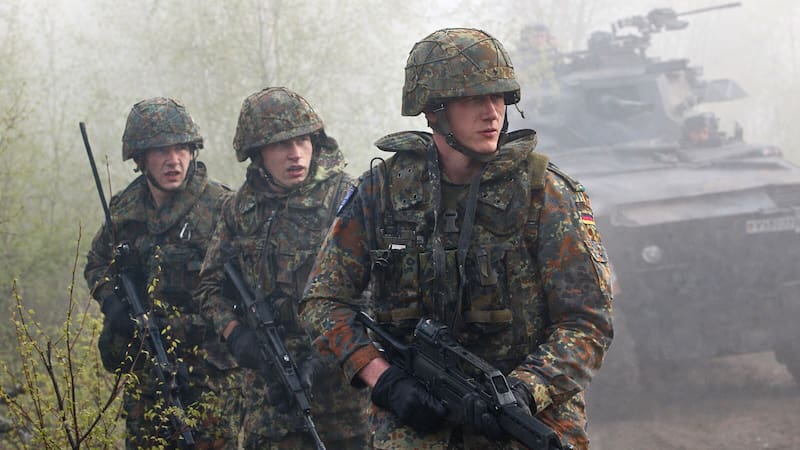
Eighty years after World War II, Germany and Japan are accelerating their military rearmament at an unprecedented pace. The two powers that lost that conflict and constitutionally committed themselves to pacifism are now rebuilding their armed forces in the face of a world they consider more dangerous than during the Cold War.
The trigger was multiple: Russia’s invasion of Ukraine in 2022, China’s military expansion under Xi Jinping, and doubts about Washington’s commitment to its allies under the presidency of Donald Trump. Faced with that scenario, Berlin and Tokyo chose the same response: more spending, more weapons, and more bilateral cooperation.

What concrete measures did Germany and Japan take to rearm?
Germany eliminated constitutional limits on borrowing to fund defense. Its military budget could surpass that of France and the United Kingdom combined within a few years. Japan reversed the arms export bans in force since 1945 and deployed long-range missiles on its southern territory.
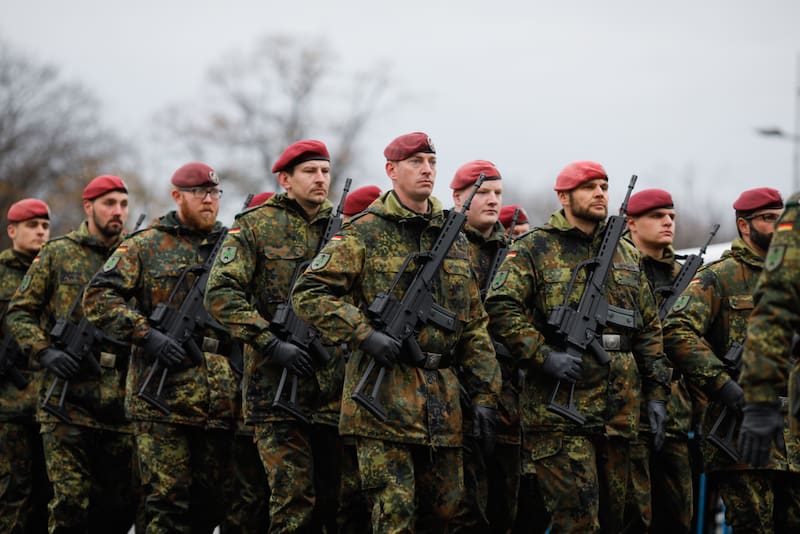
Both countries are coordinating this expansion in the G7, where they are meeting this week in Évian, France. Tokyo closed a $6.5 billion contract to export warships to Australia. Berlin asked Paris for assistance to develop its own nuclear deterrent capability.
What does this shift mean for the global balance of power?
China and Russia accuse both governments of reviving World War II militarism. Tokyo and Berlin reject that and present themselves as defenders of the rules-based international order, in a context where Washington’s influence appears weakened. In Japan, tens of thousands of people protested this spring against the rearmament policy.

Trump publicly celebrated the fact that his allies are increasing their own defense spending, although he added a historical irony: “I’m not sure that General MacArthur would have said this is a positive thing,” referring to the military leader who oversaw Japan’s surrender in 1945.