
En esta noticia
For decades, the response to the advance of the desert was always the same: plant trees. The result was uneven, extremely expensive, and, in most cases, a failure. The winds, the lack of water, and hardened soil killed the seedlings before they could take root.
The sand kept advancing, and fertile areas kept retreating year after year.
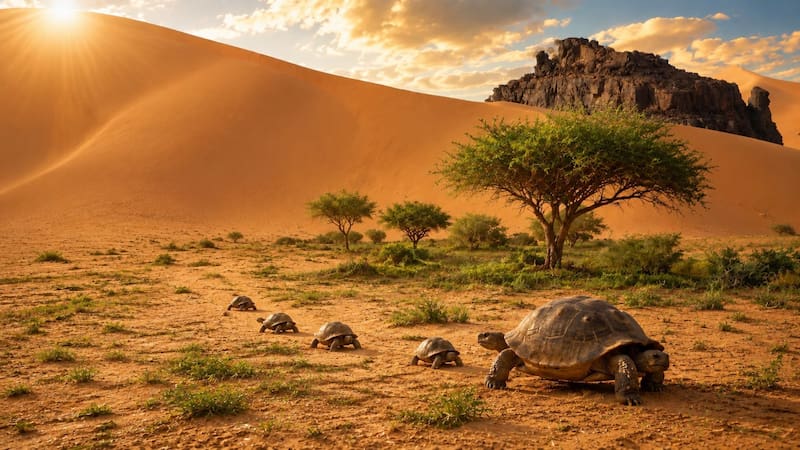
The solution that did work did not come with heavy machinery or major infrastructure. It came with 500 tortoises. In 2021, according to the experiment reported by several media outlets, that number of Centrochelys sulcata specimens was released into a degraded area on the edge of the Sahara.

Five years later, the landscape was different.
How the tortoises managed to green a dead area of the desert
The species does not just walk on the sand: it is a natural excavator. To escape a heat that can exceed 60 or 70 degrees during the day and the nighttime cold, it builds underground shelters that reach up to 10 meters deep.
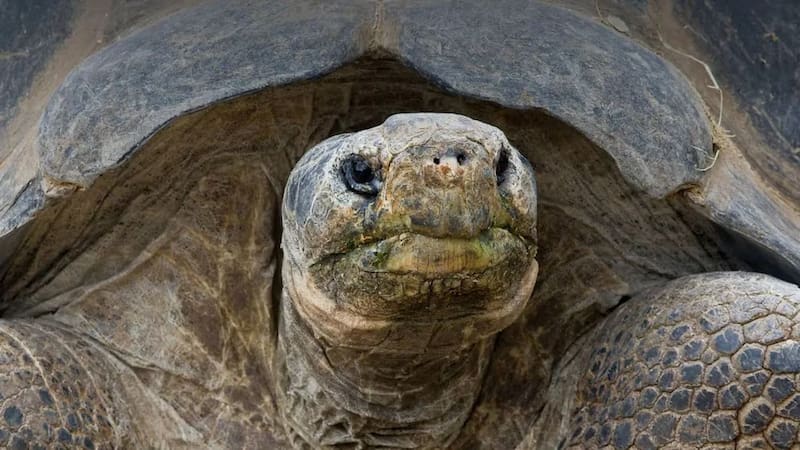
Those tunnels did something that no planting effort had achieved. By breaking through the hardened crust of the soil, they allowed rainwater to seep into deeper layers instead of evaporating in minutes. The ground regained its ability to retain moisture, and moisture began to persist below the surface.
What is an “ecosystem engineer” and why is this tortoise one
The phenomenon fits a concept known in ecology: that of species that physically modify their environment and, by doing so, benefit many others. They are called ecosystem engineers, and the African tortoise fulfills that role perfectly.
Its digging reproduces, instinctively, what farmers in the region do by hand when they dig small holes to retain water and organic matter.
The difference lies in scale and consistency. What is exhausting work for a person is pure natural behavior for the animal, repeated day after day without rest.
What appeared in the soil five years later
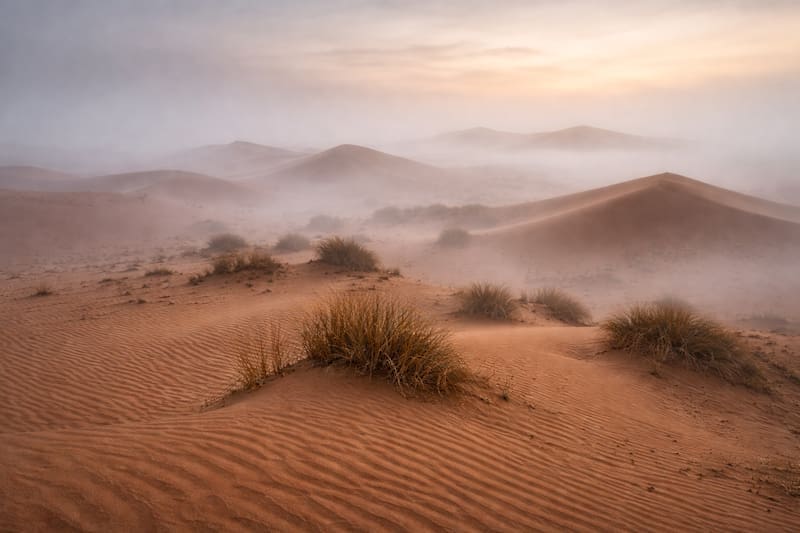
The change was not immediate or obvious at first. It emerged gradually and was recorded from above:
- Satellite images captured green patches in areas where there had previously been only exposed sand.
- Seeds that had spent years unable to germinate finally found the minimum conditions to sprout.
- Birds and insects colonized the excavated spaces, reactivating the ecological chain.
This is not a dense forest in the classic sense, but it is a visible recovery of biodiversity in a place once deemed lost. Life returned following the trail of moisture left by the tunnels.
What this experiment teaches about the future of the desert
The desert is not going to turn into a jungle because of a few digging reptiles, and restoration depends on many factors: rain, grazing pressure, and sustainable management. But the lesson is powerful all the same.
In certain contexts, reintroducing a key species can reactivate dormant ecological processes without the need for massive artificial interventions. Sometimes, the most effective tool against desertification is not a machine, but an animal that has spent millions of years learning how to survive in the sand.