
En esta noticia
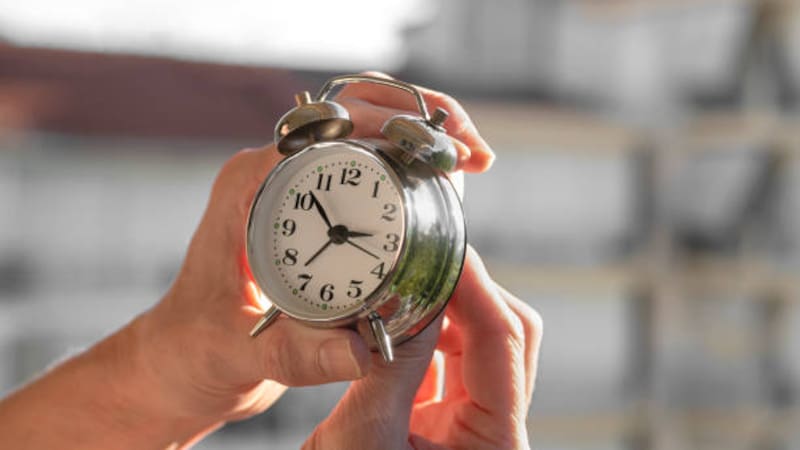
The debate over making daylight saving time permanent is back in Congress, but Americans will still have to change their clocks in 2026 under the current law. This year’s “fall back” will happen on the earliest possible date, giving the country one more scheduled time change before any potential federal reform.
Daylight saving time will end on Sunday, November 1, 2026. At 2 a.m., clocks will move back one hour to standard time, marking the return to earlier sunrises and earlier sunsets.
When does daylight saving time end in 2026?
Under current federal law, daylight saving time ends on the first Sunday in November. In 2026, that falls on November 1, making it the earliest possible date for the fall time change.
Standard time will then remain in effect until Sunday, March 14, 2027, when daylight saving time is scheduled to begin again. These dates were established by the Energy Policy Act of 2005, which changed the period for daylight saving time from the second Sunday in March through the first Sunday in November.
The schedule has remained in place even as lawmakers consider eliminating the twice-yearly clock changes.
Could daylight saving time become permanent?
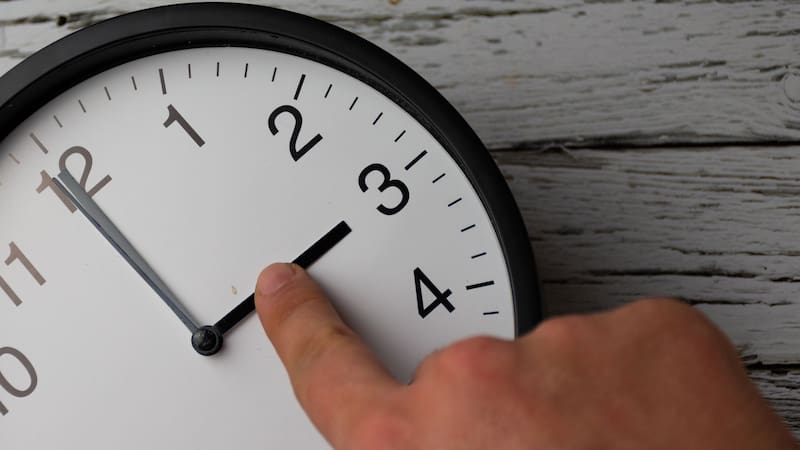
Congress is considering the Sunshine Protection Act, which would allow daylight saving time to remain in effect year-round instead of switching back to standard time each November.
The legislation has already passed the House, but additional congressional action is required before permanent daylight saving time can become federal law. Under the current rules, states cannot independently choose to remain on daylight saving time all year.
Nineteen states have already passed legislation supporting permanent daylight saving time if Congress changes federal law. Until that happens, however, the November 1, 2026, time change remains scheduled.