
En esta noticia
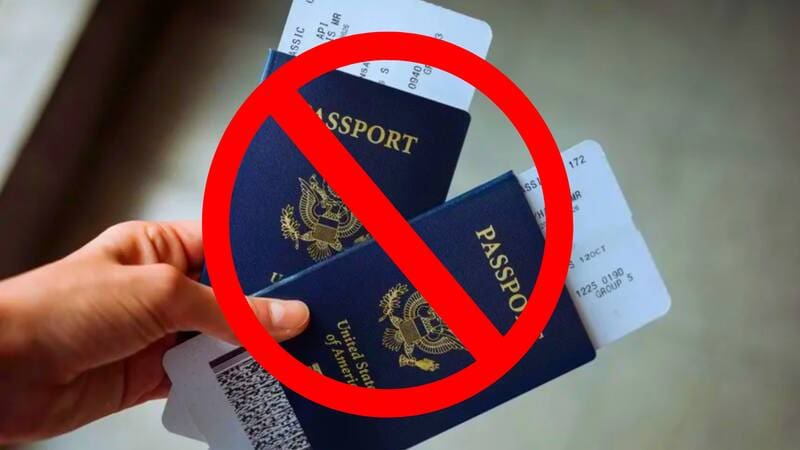
The immigration authorities of countries such as the United States, Spain, and Canada continue to apply strict controls over the documentation of Mexican travelers seeking to enter their territories. In this context, presenting an expired passport can lead to delays, boarding denials, or problems when passing border controls.
As a general rule, both airlines and immigration authorities require the passport to be valid in order to authorize international travel. However, there are some specific exceptions contemplated in certain agreements or immigration provisions between countries.

Attention: what are the restrictions for entering the United States
The most sought-after destination and the most complex one for Mexican citizens is the United States.
Mexicans require a valid passport along with a B1/B2 visa to enter freely. The so-called “laser visa” or BCC only works as a standalone document in defined border areas: 25 miles in California and Texas, 75 miles in Arizona, and 55 miles in New Mexico.
The process has become stricter because the consulate now asks new mandatory questions in the interview, and an affirmative answer to any of them results in immediate denial and a permanent record in the immigration file.
What Canada requires to enter the country
Since the immigration changes of February 2024, the eTA is no longer a general procedure for all Mexicans.
It is now an exclusive benefit for those traveling by air, planning a stay of less than six months, and who have had a Canadian visa in the last 10 years or hold a valid nonimmigrant visa for the United States.
Those who do not meet those criteria, or who travel by land or sea, must apply for a traditional visitor visa, with a considerably higher cost, approximately between 265 and 305 Canadian dollars.

Spain now also requires documentation before traveling
Spain is the favorite European destination for Mexicans and the least restrictive of the three.
Mexican citizens can enter without a visa for stays of less than 90 days. However, starting in mid-2026, it will be mandatory to obtain ETIAS, an electronic pre-travel permit.
In addition, a valid passport with at least three months of validity beyond the planned departure is required, as well as travel insurance with minimum coverage of 30,000 euros, proof of financial means, and a return ticket.
What documents immigration authorities usually review
Before authorizing international travel, immigration authorities and airlines usually verify various requirements related to personal documentation.
Among the main checks are:
- Valid passport in good condition.
- Valid identity document in the countries that allow it.
- Match between the ticket details and the document.
- Immigration permits or visas, where applicable.
- Health requirements or forms required by some destinations.