
En esta noticia
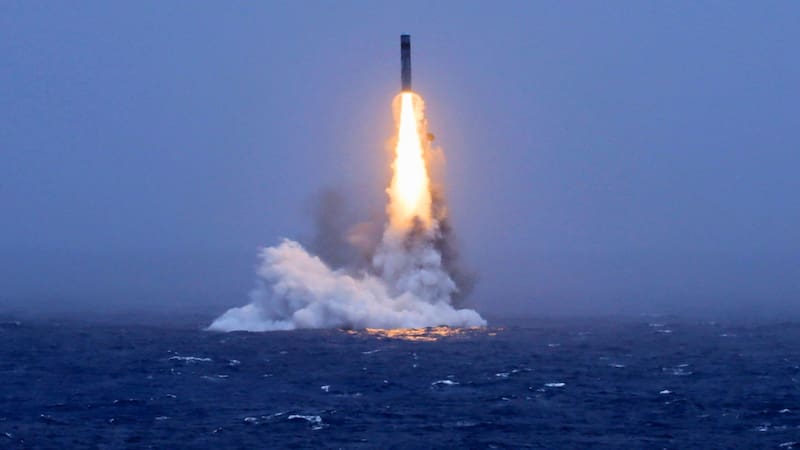
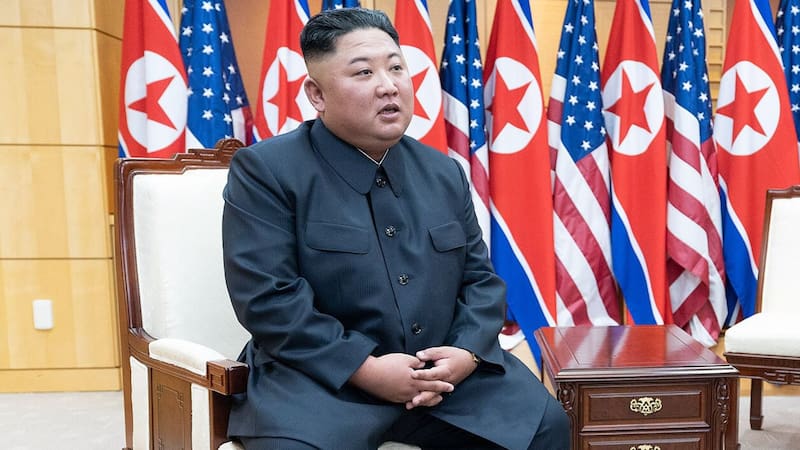
North Korea has once again raised tensions with the United States by declaring that it will continue strengthening its nuclear arsenal and rejecting any possibility of giving up its atomic weapons. The message comes at a sensitive moment, as Washington seeks to keep open the possibility of renewed talks with Kim Jong Un.
North Korea’s Foreign Ministry said that what Pyongyang considers Washington’s hostile policy has not changed. According to the regime, U.S. demands for denuclearization, criticism of its human rights record and military exercises with South Korea and Japan demonstrate that Washington continues to take a confrontational approach.
For North Korea, its nuclear weapons are a guarantee of its sovereignty and security. As a result, Kim Jong Un’s government has once again ruled out dismantling its nuclear program.

The U.S. response
The North Korean statement comes after President Donald Trump reduced the scale of some joint military exercises with South Korea. Trump has previously emphasized his relationship with Kim Jong Un and has signaled that he remains open to another meeting with the North Korean leader.
However, Washington has not abandoned its position on North Korea’s nuclear program. The United States continues to seek the denuclearization of the Korean Peninsula, while Pyongyang insists that its nuclear weapons are necessary for its survival.
This combination of military pressure and diplomatic openness has left relations between the two countries at a particularly delicate point.
Military exercises remain a major source of tension
While Trump has signaled interest in diplomacy, the United States, South Korea and Japan continue strengthening their military cooperation.
The three countries are scheduled to conduct Freedom Edge, a trilateral exercise focused on improving coordination against North Korean missile and nuclear threats. The drills are expected to include activities involving missile defense, surveillance and naval and air operations.
For Pyongyang, such activities represent a direct threat. North Korea has repeatedly condemned military exercises involving the United States and its allies, using them to justify the expansion of its own military capabilities.
North Korea seeks to establish itself as a nuclear power
One of the biggest obstacles to any future negotiations is that Pyongyang appears increasingly unwilling to discuss its nuclear program under Washington’s traditional terms.
North Korea wants its status as a nuclear-armed state to be treated as a reality. The United States, meanwhile, continues to oppose that position and maintains denuclearization as a central objective.
This gap could make any future summit between Trump and Kim Jong Un particularly difficult. North Korea could also enter future negotiations from a stronger position because of its expanding relationships with Russia and China.
North Korea maintains ties with African countries
North Korea’s international network extends beyond East Asia. Pyongyang also maintains military and economic ties with several African countries.
According to Business Insider Africa, North Korea has supplied weapons, missiles and military training to governments across the continent, including Zimbabwe, Uganda, Ethiopia and Angola.
Despite international sanctions, these relationships have continued to provide North Korea with trade, foreign currency and diplomatic connections, extending its influence beyond East Asia.

Does this mean a war with the United States is beginning?
Although Pyongyang’s latest statements represent another escalation in its nuclear rhetoric, they do not mean that a war between the United States and North Korea has begun.
In fact, there are simultaneously signs of confrontation and possible diplomacy. North Korea continues to expand its nuclear capabilities and reject denuclearization, while Trump has kept open the possibility of meeting Kim Jong Un again.
For now, the Korean Peninsula remains caught between nuclear expansion, military deterrence and diplomatic efforts. New military exercises could increase tensions, but they are also part of the strategy used by the United States and its allies to maintain their ability to respond to a potential threat.
The key question is whether Washington and Pyongyang can find common ground before their differences over North Korea’s nuclear arsenal trigger an even greater escalation on the Korean Peninsula.