
En esta noticia
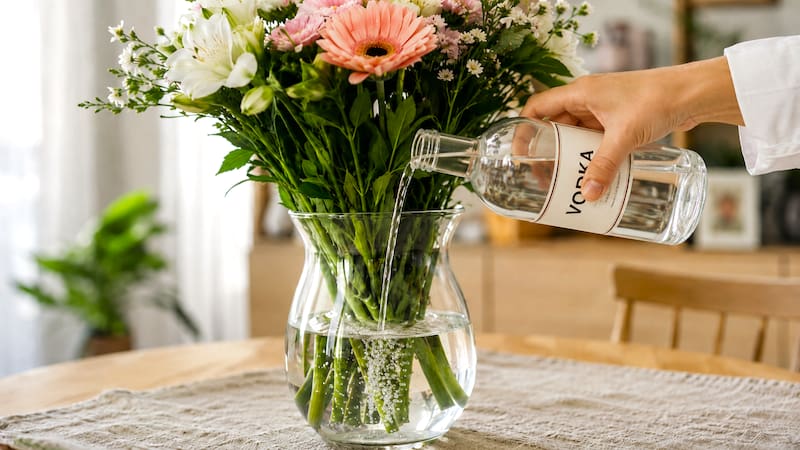
Far from what many may think, vodka is not only used to make drinks, it also has the potential to help delay the wilting of some flowers.
The effect is directly related to alcohol, which interferes with processes linked to plant aging. However, to achieve the desired effect the right amount must be used.
What is it for to dilute vodka in vase water?
Adding a small amount of vodka to the water can help prolong the physical appearance of a bouquet of cut flowers. John Dole, professor of horticulture at North Carolina State University, explained that alcohol acts by inhibiting the production of ethylene, the plant hormone involved in the aging process of many flowers.
When cut flowers age, signs such as the following may appear:
- Wilting and loss of firmness.
- Yellowing of the leaves.
- Excessive opening of the flowers.
- Gradual falling of the petals.
Why do they recommend diluting vodka in the vase?
The recommendation arises because the ethanol present in vodka can interfere with ethylene production and, in this way, delay the deterioration of the flowers. However, plants only tolerate reduced concentrations of alcohol.
Therefore, vodka should not be placed directly on the flowers or fill an important part of the vase, but rather a small amount should be used, varying depending on the size of the vase and the amount of water.
How should this trick be used correctly?
To try the method, a very mild dilution must be maintained. For vodka, which usually has 40% alcohol content, about 20 milliliters per liter of water is suggested. This would leave a final concentration close to 0.8%.
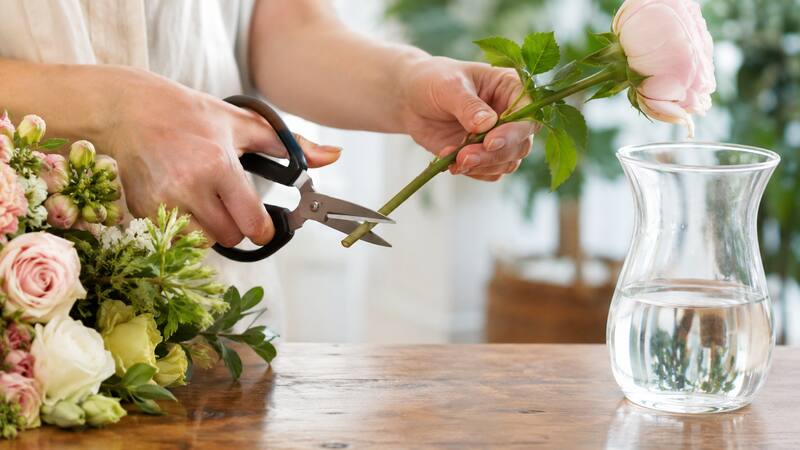
It is also advisable to accompany this trick with the usual care that cut flowers need, such as using a clean vase, cutting a small part of the stems before placing them in the water, and replacing the liquid every three days.