
En esta noticia
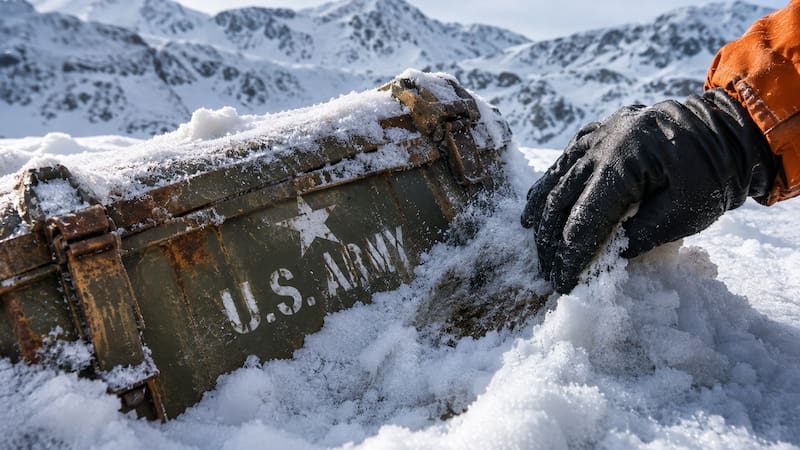
A Cold War U.S. Army base built under Greenland’s ice to test Project Iceworm, a secret plan to hide nuclear missiles, left behind radioactive and toxic waste that warming could begin to uncover around 2090, according to a 2016 study.
The base, Camp Century, opened in 1959 about 26 feet into the ice and ran on a portable nuclear reactor. The Army abandoned it in 1967, counting on falling snow to keep it buried for good.
Researchers writing in Geophysical Research Letters later challenged that bet, finding that rising temperatures could reverse the snow buildup over the site. In 2024, NASA radar flights mapped the camp’s structures in new detail at least 100 feet down.


What is Project Iceworm, and what did it leave under Greenland’s ice?
Project Iceworm envisioned about 2,500 miles of tunnels where up to 600 nuclear missiles could move by rail, out of the Soviet Union’s reach. The U.S. kept the missile plan from Denmark, which had approved only the camp, according to the American Geophysical Union.
The Joint Chiefs of Staff rejected the plan in 1963. Greenland’s ice constantly shifts and deforms, which threatened the tunnels, and the Atomic Heritage Foundation identifies that instability as the plan’s biggest technical obstacle. No missiles were ever deployed.
The Army took the reactor out but left most of the camp behind. Geoscientist Paul Bierman estimates in his book “When the Ice Is Gone” that about 10,000 tons of waste remain, including:
- Millions of gallons of frozen sewage and wastewater
- Radioactive cooling water dumped into a waste pit
- Toxic PCBs, lead paint, asbestos, ethylene glycol coolant and leftover diesel fuel
Could melting really expose US nuclear waste by 2090?
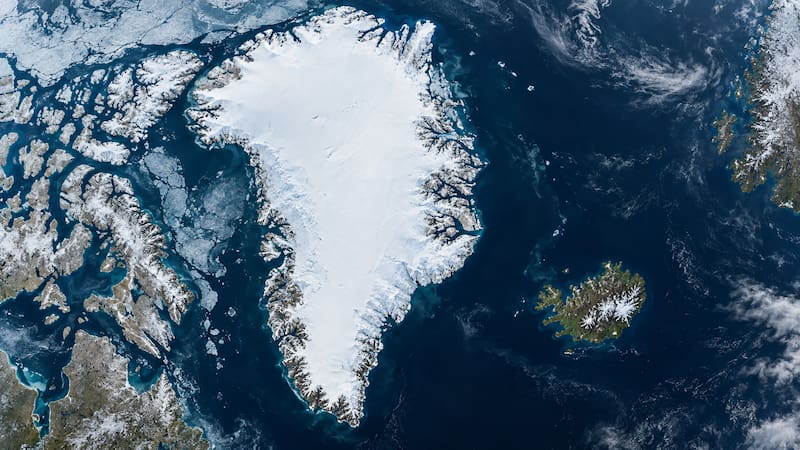
It could start to, but 2090 marks the beginning of the process, not the moment the waste surfaces. The 2016 study projected that, under a high-emissions scenario, the site could begin losing more snow and ice each year than it gains around that time.
From then on, the ice surface would slowly drop toward the camp, and melting the debris out would take years more, Bierman writes. A 2021 study in Frontiers in Earth Science suggested the process could require more warming, and more time, than the earlier estimate.
The radioactive share of the waste is limited. The most dangerous material, the reactor and its fuel, left with the Army. What remains is low-level contamination in water, snow and metal.