
En esta noticia
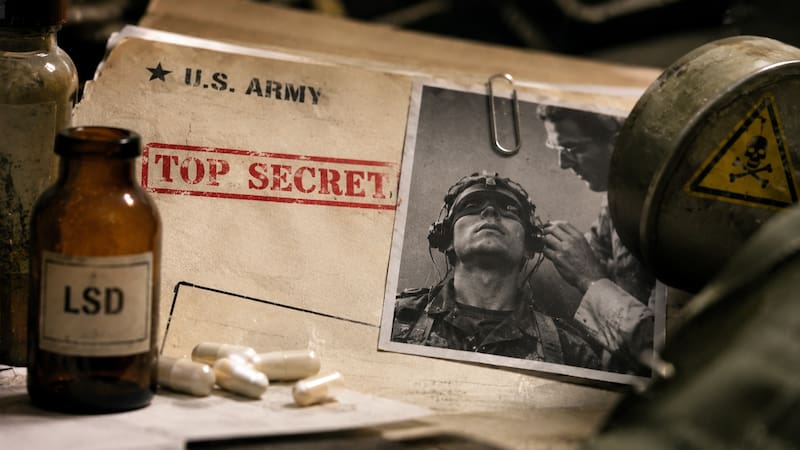
From 1955 to 1975, the U.S. Army exposed about 7,000 of its own soldiers to LSD, the nerve agent sarin and BZ, a chemical weapon that causes hallucinations, in classified experiments at Edgewood Arsenal in Maryland, then swore them to secrecy.
The Army Chemical Corps wanted to know how small doses of these agents affected soldiers and whether gear and medicines could protect them, the Department of Veterans Affairs says. Participants were exposed to more than 250 chemicals, according to the Department of Defense.
Participation was voluntary. But on arrival at Edgewood, soldiers signed oaths to keep every detail confidential, and breaking them could bring a court-martial or criminal charges, court records show.
The Pentagon freed participants from the oaths in 2006. By then, many had gone decades without seeking care or benefits, a gap still being fought over in court and in Congress.


What chemical weapons and drugs did the US Army test on soldiers at Edgewood?
According to the VA, the tests mixed weapons the military feared it could face with drugs to treat their victims, plus common substances and placebos such as saline. Soldiers received:
- Nerve and blister agents: sarin, mustard agents and pesticides that act on the nervous system much like sarin
- Mind-altering substances: LSD, PCP, cannabinoids and the incapacitating agent BZ
- Crowd-control chemicals: tear gas and other irritants
- Antidotes: atropine, scopolamine and 2-PAM chloride, which helps reverse nerve agent poisoning
- Everyday substances: alcohol and caffeine
The studies tracked only immediate reactions, with no plan to follow soldiers’ health afterward. A 2016 report commissioned by the Army later reasoned that test doses were too weak and brief to cause lasting harm, and found no significant problems in participants.
At the Army’s request, the National Academies of Sciences, Engineering, and Medicine reviewed that report in 2018. The panel found it had missed relevant studies and health effects and called for a more rigorous method.
Can veterans sworn to secrecy in the US Army tests get VA benefits?
Yes. Any veteran who believes a health problem stems from the Edgewood tests can seek VA disability compensation, and each claim gets an individual review. There’s no registry to join first.
No lab test can prove an exposure from half a century ago. Instead, the VA points veterans to a medical history and exam from their doctor or a VA environmental health coordinator, including a look at lasting psychological effects.
The oaths also cost veterans money. VA disability payments generally start when a claim is filed, so years of silence meant years of lost benefits. In 2023, a federal appeals court ruled that an Edgewood veteran was owed payments dating to his 1971 discharge.
The OATH Act, sponsored by Connecticut Democratic Sen. Richard Blumenthal, would extend that to all participants and require the VA to find and notify them. The Senate Veterans’ Affairs Committee approved it March 18. It still needs full Senate and House votes and the president’s signature.