
En esta noticia
Paying for parking with your cell phone has become a practical alternative for many drivers. However, authorities in the United States warned about a type of scam that takes advantage of the QR codes used to make these payments.
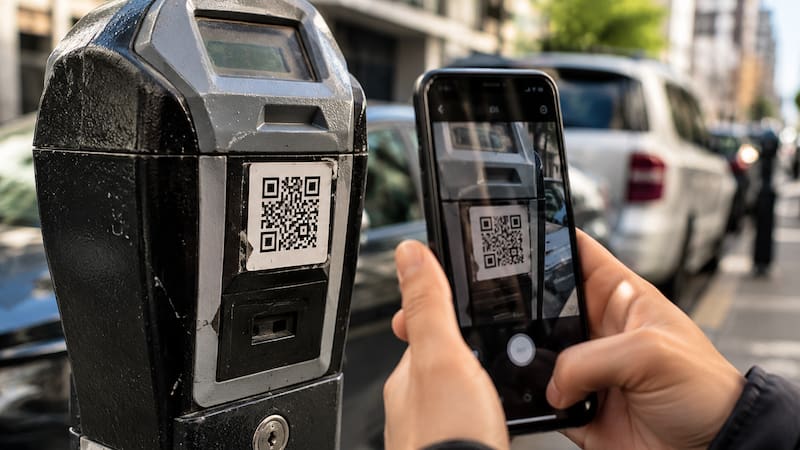
The Federal Trade Commission (FTC) reported in September 2026 that cases were reported of criminals placing fake QR codes over the original ones on parking meters. When scanned, users can be directed to fraudulent pages designed to obtain money or personal information.
How does the QR code scam in parking lots work?
According to the FTC, scammers cover the legitimate QR codes on parking meters with others that appear to be part of the payment system.
When a driver scans the fake code, they may access a website that simulates being a parking payment platform. The goal is to get the person to provide personal data, banking information, or money.
That is why the agency recommends checking the address of the web page before opening it or making any payment.
What should you check when scanning a QR code?
The FTC advises paying attention to the link address that appears when scanning the QR code. Many phones allow you to view that address before entering the website. The important thing is to verify that the URL has no spelling mistakes or changed letters.
The agency also advises:
- Keep your phone updated: install operating system and app updates.
- Protect your accounts: use strong passwords and enable multi-factor authentication.
These precautions help reduce the risk of entering fraudulent pages or exposing personal information.
What should you do if you scanned a fake QR code in a parking lot?
The FTC also published recommendations for those who suspect they accessed a fraudulent page.
First, it advises stopping any contact with the possible scammers and avoiding providing more information.
If the person entered their username or password, they should change it immediately, even on other accounts where they use the same password.
In addition, it recommends reviewing the transactions on credit cards and bank accounts to identify unknown charges.