
En esta noticia
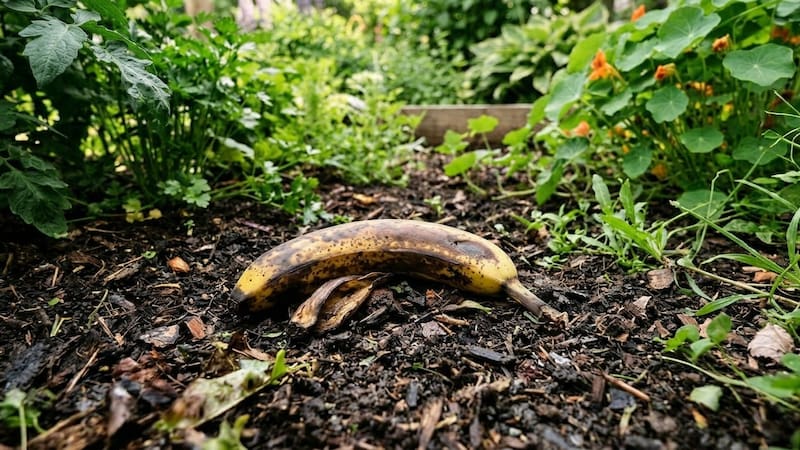
Banana peels usually end up in the trash, but they can also have a second use in the garden. This kitchen waste contains nutrients that plants need to grow and can be used as part of a simple practice to reuse organic matter at home.
Before throwing them away, it is worth knowing what benefits they can provide and the best way to incorporate them into the soil.
Banana peel is rich in potassium, phosphorus, calcium and magnesium. That is why the Royal Horticultural Society explains how to make use of these leftovers in the garden.

What throwing banana peels in the garden is for
Banana peel is useful for providing nutrients to the soil by reusing organic waste. According to the Royal Horticultural Society, the British gardening organization, these leftovers contain potassium, magnesium, calcium and phosphorus, elements that play a role in plant growth.
In this sense, potassium takes part in different plant processes and is relevant to their development, while phosphorus contributes to root growth. It should be noted that the plant absorbs the nutrients during the decomposition of the peel and the use of them depends on the soil conditions.

How to use banana peels in the garden to take advantage of their benefits
The Royal Horticultural Society advises cutting them or tearing them into small pieces to speed up their decomposition. Once transformed into compost, they can be incorporated into the soil to provide organic matter and help improve its structure and fertility.
Another possibility is to bury them directly in open areas of the garden, preferably under a layer of mulch. However, it is preferable not to leave large pieces exposed or bury them shallowly, as this can attract animals.

The University of Maryland warns about homemade preparations with water and banana peels, stating that there is no research to support that the liquid obtained from that mixture provides enough potassium to fertilize plants.